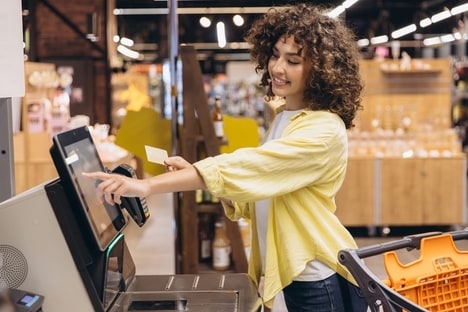
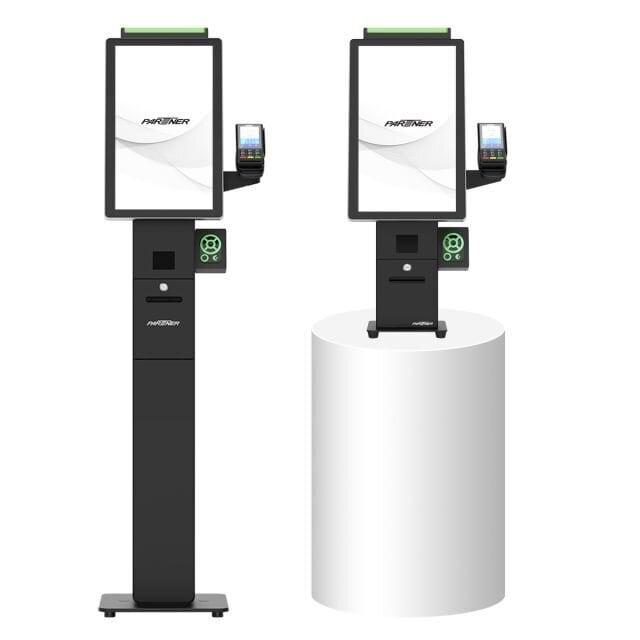
Partner Tech introduced a suite of AI-powered self-checkout and POS solutions at RetailNOW 2026, highlighting computer vision technology designed to improve checkout speed, reduce theft and enhance the customer experience. The lineup includes the Alfred PS-137 and Paula Kiosk in both floor-standing and countertop configurations.
The company also showcased its modular Paula SCO and Starling SCO systems running the Otter SCO software platform. Additional POS hardware includes the new Sofia5 Android terminal, second-generation Audrey and Cleo terminals for Android and Windows, and the M10 Windows 11 tablet for mobile and table-side ordering.
For retailers, the portfolio combines self-checkout, loss prevention and flexible POS hardware within adaptable deployment formats. The showcase reflects growing demand for retail systems that use AI and modular hardware to streamline operations while supporting faster, more flexible customer interactions across checkout and ordering environments.
Image Credit: Partner Tech
What's Driving This Trend
- Computer-vision Checkout
- AI-based visual recognition creates new value in retail by accelerating payment flows while detecting missed scans and suspicious basket activity in real time.
- Modular Self-service Kiosks
- Configurable kiosk formats open opportunities for retailers to deploy self-checkout across varied store footprints without relying on one-size-fits-all hardware.
- Mobile POS Expansion
- Tablet and handheld ordering systems are reshaping service models by extending checkout and payment capabilities beyond fixed counters.
Who This Affects Most
- Retail Technology
- Integrated AI checkout platforms are shifting the sector toward smarter store infrastructure that blends automation, analytics and loss prevention.
- Point-of-sale Hardware
- Demand for adaptable terminals and kiosks is creating room for hardware providers to differentiate through modular designs and multi-operating-system support.
- Loss Prevention
- Computer vision and checkout intelligence are redefining theft reduction by embedding prevention directly into customer-facing transaction systems.