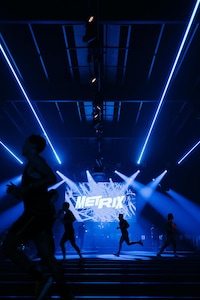
Panoramic concert screenings are transforming live music experiences as CJ 4DPLEX introduces SCREENX LIVE with K-pop group NMIXX's world tour finale. The new format combines concert broadcasting with three-screen cinema technology, extending performances beyond the main screen onto surrounding auditorium walls for a more immersive viewing experience.
Broadcast from INSPIRE Arena in Incheon, South Korea, on November 29, 2026, the event will reach cinemas across 22 international markets. Specialized SCREENX presentations will be available in five Asian markets, using multiple camera angles to highlight choreography and stage production. Traditional 2D screenings will also provide access to international audiences, with delayed showings scheduled in selected regions.
For CJ 4DPLEX, the format creates opportunities to expand premium cinema offerings beyond films. Participating theaters could attract additional audiences, while NMIXX gains another channel for connecting with international fans.
Image Credit: CJ 4DPLEX
Why This Trend Is Growing
- Immersive Concert Cinema
- Three-screen auditorium formats create new premium entertainment experiences by blending live broadcast access with spatial visual storytelling for global fan communities.
- Hybrid Fan Access
- Delayed and live international screenings broaden participation for audiences unable to attend arena events, reshaping how music tours scale beyond physical venues.
- Choreography-driven Filming
- Multi-angle concert capture emphasizes performance detail and stage design, opening space for cinematic production models tailored to highly visual pop acts.
Industries Being Reshaped
- Cinema Exhibition
- Premium large-format theaters can diversify programming beyond movie releases as event-based screenings become a stronger driver of attendance and revenue.
- Live Music
- Tour finales and major performances gain extended commercial lifespans when broadcast formats transform one-time concerts into distributed theatrical events.
- Entertainment Technology
- Panoramic projection systems and specialized camera workflows support differentiated viewing formats that compete with both streaming platforms and traditional venues.