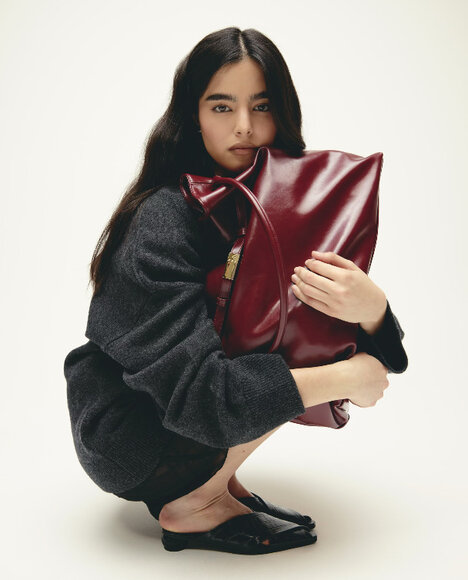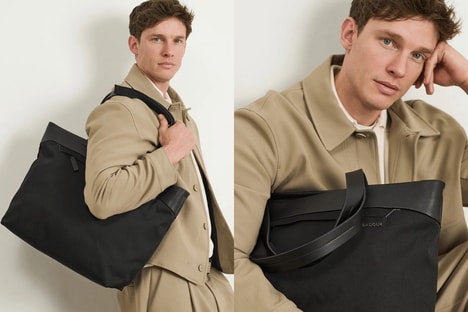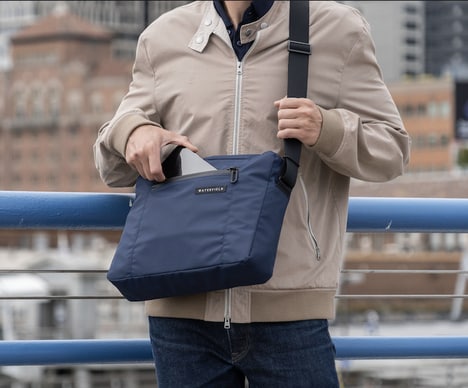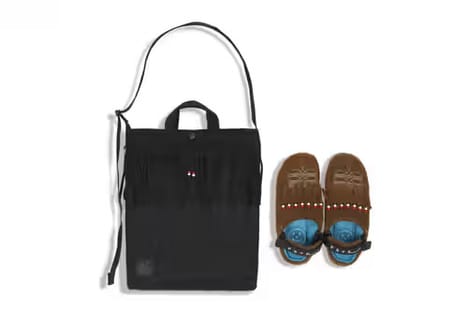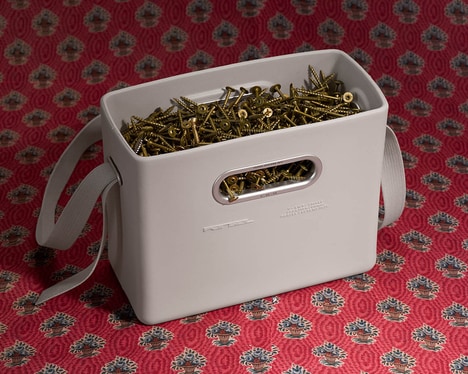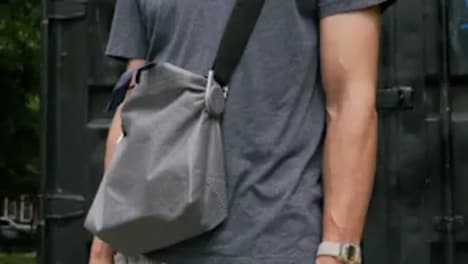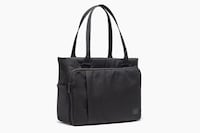
keote and Jane Wade built the 'keote x Jane Wade Keychain Tote' as a spare nylon carryall that clips onto a work or everyday bag until needed. For commuters making unplanned grocery or post office stops, it keeps an extra bag close without taking over the main one.
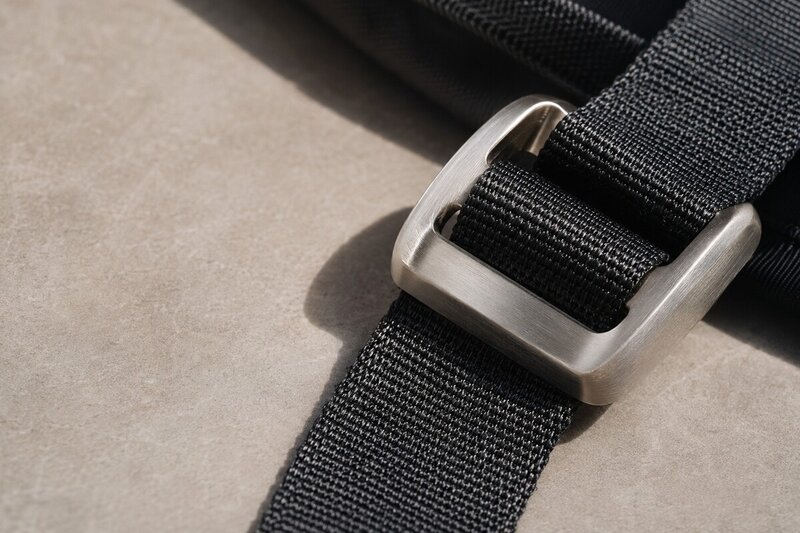
Rather than collapsing into a loose pouch, the tote stores inside a faux-leather cylinder with polished hardware, so the packed form works as a visible accessory. Long straps leave more room under the arm, and three hardware sizes fit different handles. The tote is sold by keote for $95.
keote and Jane Wade show how a packable nylon tote with a faux-leather storage cylinder can double as an everyday accessory, with a link to Jane Wade's Spring/Summer 2027 collection.
Image Credit: AI-generated
What's Driving This Trend
- Accessory-led Utility
- Functional add-ons that read as polished bag charms create room for everyday carry products that blend preparedness with personal style.
- Compact Commuter Storage
- Urban routines with spontaneous errands are elevating demand for lightweight, packable solutions that stay attached to primary bags without adding bulk.
- Fashionable Reusability
- Reusable totes designed with premium materials and visible hardware can shift sustainable habits from hidden practicality into status-driven accessories.
Who This Affects Most
- Fashion Accessories
- Bag charms, keychains, and modular attachments are evolving into practical extensions of handbags, opening space for hybrid products with both aesthetic and utility value.
- Commuter Goods
- Daily mobility products benefit from designs that anticipate unplanned stops, particularly compact formats tailored to office workers and transit users.
- Sustainable Retail
- Retailers can reframe reusable bags as desirable lifestyle items when packable formats pair waste reduction with elevated design cues.
Featured Reports

When AI Builds the Basket

Verified Economy