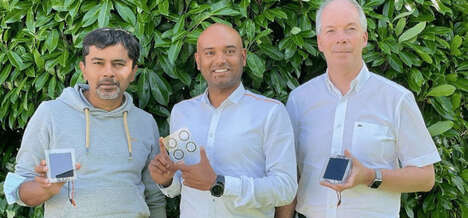
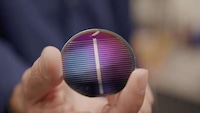
The Oxford Photovoltaics project recently revealed its dye-printed cells, which are made using low-cost, plentiful and nontoxic materials, including a metal oxide found in common toothpaste.
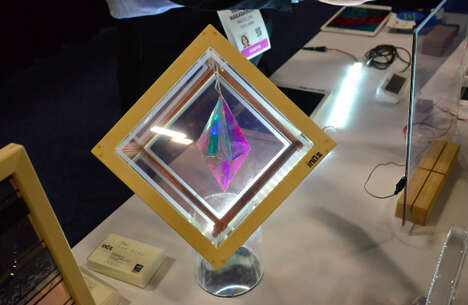
The cells produced by the Oxford Photovoltaics project do not require rare metals or toxic materials and are 50 percent cheaper to produce than the current most cost-effective solar technology out there. Because the thin dye can be printed on nearly any surface (including glass) in several colors, solar architecture could incorporate colorful windows instead of solar panels.
What's Driving This Trend
- Dye-printed Solar Cells
- The trend of dye-printed solar cells using low-cost and nontoxic materials opens up opportunities for affordable and sustainable solar power.
- Metal Oxide Technology
- The trend of utilizing metal oxide found in common toothpaste for solar cells presents disruptive innovation opportunities for eco-friendly and accessible renewable energy.
- Solar Architecture
- The trend of incorporating colorful windows instead of solar panels expands the possibilities for aesthetic and functional solar integration in building design.
Who This Affects Most
- Renewable Energy
- The renewable energy industry can benefit from the disruptive innovation opportunities presented by dye-printed solar cells and metal oxide technology.
- Materials Science
- The materials science industry can explore the potential of using common metal oxides for various applications, such as solar cell production.
- Architecture and Construction
- The architecture and construction industry can leverage the trend of solar architecture to create energy-efficient and visually appealing buildings.