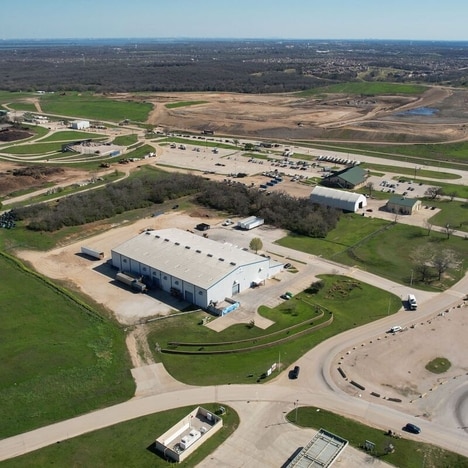
Montreal has officially opened its first organic waste facility, a transformative step in the city’s sustainability journey. Located in Saint-Laurent, the facility processes up to 50,000 tonnes of organic matter annually, keeping waste treatment local and significantly cutting transportation emissions.
Previously, compost waste traveled an average of 188 kilometers to facilities outside Montreal, creating logistical and environmental challenges. This new facility eliminates that issue, reducing the transport distance to just six kilometers and fostering a more efficient, sustainable system.
The compost generated serves a dual purpose: it provides high-quality topsoil for residents and fertilizer for local farmers, strengthening ties between urban and rural communities. Designed with the environment -- and residents -- in mind, the facility features airtight, odour-free technology to address public concerns.
As Montreal works toward a second facility by 2025, the city sets a benchmark for responsible waste management, proving that innovation and community collaboration can drive a greener future for all.
Image Credit: Jamie D’Souza
Why This Trend Is Growing
- Local Waste Processing
- Localized waste processing facilities are becoming vital in reducing transportation emissions and optimizing logistical efficiency.
- Urban-rural Collaboration
- This initiative strengthens urban-rural connections by supplying high-quality compost and fertilizers to local farmers and residents.
- Odour-free Waste Technology
- Advanced odour-free technology in waste facilities addresses public health concerns and enhances community acceptance of industrial sites.
- Hyper-local Processing Facilities
- Localized waste processing reduces transportation emissions and logistics costs, fostering sustainable urban environments.
- Eco-friendly Facility Innovations
- Implementing odor-free and airtight technologies revolutionizes waste management, enhancing community acceptance.
Industries Being Reshaped
- Waste Management
- The waste management industry is shifting toward local processing capabilities, driven by environmental and logistical efficiencies.
- Agriculture and Fertilizers
- Agriculture benefits from urban-generated compost, promoting sustainable farming practices and urban-rural synergies.
- Urban Planning
- Urban planning integrates sustainable waste management solutions, aligning with environmental goals and reducing carbon footprints.