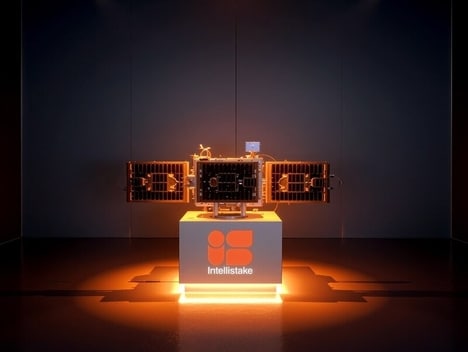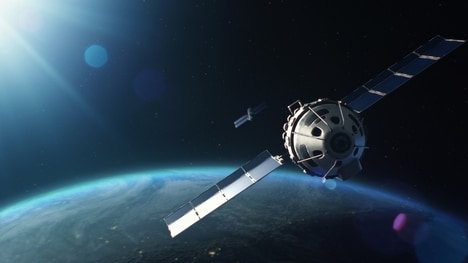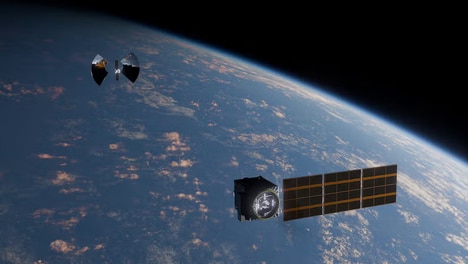

Orbital energy networks are emerging as a new layer of infrastructure for the growing space economy. Star Catcher is advancing this concept by developing a space-based power grid that uses optical power beaming to deliver energy to satellites on demand. Instead of relying solely on onboard power generation, spacecraft could access external energy resources, allowing them to operate longer and perform more demanding tasks without major hardware modifications.
The approach addresses one of the biggest limitations in modern space operations: power availability. As satellite constellations, communications systems, and defense applications expand, access to scalable energy infrastructure could become as important as access to launch services. For businesses, shared orbital power systems may reduce operating costs, improve spacecraft performance, and create new service-based revenue models. The development also signals a broader shift toward utility-style infrastructure in space, supporting the long-term growth of commercial and government space activities.
Image Credit: Star Catcher Industries
What Makes This Trend Stand Out
- Orbital Power Beaming
- Optical energy delivery creates a pathway for satellites to receive external power in orbit, opening service models around shared infrastructure rather than spacecraft-only generation.
- Utility-style Space Infrastructure
- The rise of grid-like orbital systems signals a shift toward space utilities that can support longer missions, higher-performance payloads, and recurring subscription-based operations.
- Energy-enhanced Satellite Operations
- Greater access to on-demand power expands the functional ceiling of satellites, enabling more intensive communications, sensing, computing, and defense capabilities without full platform redesigns.
Sectors Adopting This
- Satellite Communications
- Constellations with access to external orbital energy could support higher bandwidth, longer uptime, and more flexible network capacity for commercial and government customers.
- Space Infrastructure
- Shared power networks add a new infrastructure category to the space economy, with potential for platform operators, energy service providers, and orbital logistics companies.
- Defense Technology
- Power-augmented spacecraft introduce new possibilities for persistent surveillance, resilient communications, and energy-intensive mission systems in contested orbital environments.