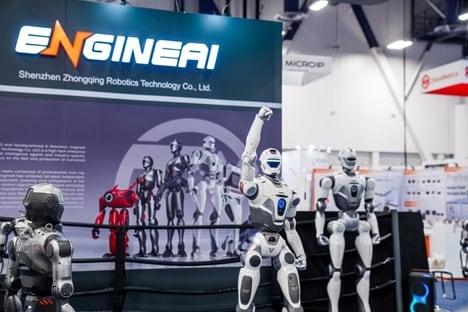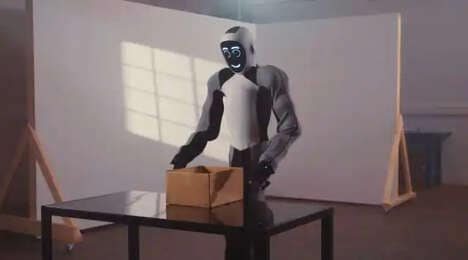
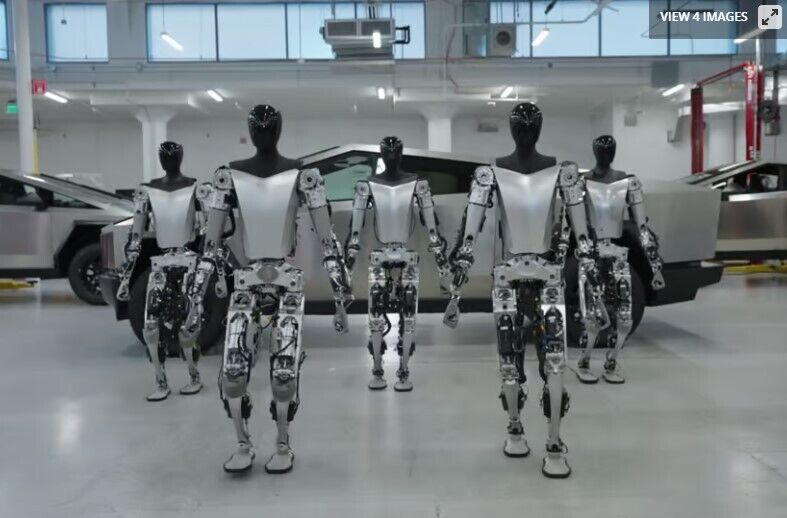
At Tesla's 2023 shareholders meeting, Elon Musk introduced the Optimus robot, signaling a shift from electric vehicles to robotics. This innovation isn't just a concept; Tesla has produced five walking prototypes, all equipped with components designed in-house.
The Optimus utilizes systems from Tesla's renowned self-driving Autopilot, enabling it to sense, map, and navigate its surroundings. Its joint motors showcase a blend of power and sensitivity, demonstrated by its ability to touch an egg without breaking it.
Training the robot involves a "monkey see, monkey do" approach, with human operators in motion tracking suits guiding its learning. This hands-on method ensures adaptability to various tasks.
Musk envisions the robot handling mundane or hazardous tasks and emphasizes safety, ensuring mechanisms to turn the robot off when needed. He predicts a potential demand in the billions, suggesting the Optimus could even surpass Tesla's car business in significance.
What Makes This Trend Stand Out
- AI-enabled Walking Robots
- Tesla's Optimus robot combines AI and walking capabilities to redefine robotics.
- Self-driving Autopilot Systems
- Tesla's use of its self-driving Autopilot technology in the Optimus robot opens up possibilities for autonomous navigation in robotics.
- Human-guided Learning
- The Optimus robot's training method of using human operators in motion tracking suits provides adaptability to various tasks.
Sectors Adopting This
- Automotive
- The application of Tesla's AI-enabled walking robot technology could disrupt the automotive industry.
- Manufacturing
- The integration of autonomous navigation in robotics could revolutionize the manufacturing industry.
- Safety and Security
- The use of the Optimus robot to handle hazardous tasks has the potential to disrupt the safety and security industry.
Featured Reports

The Death of Nuance

Creatine Is Leaving the Gym. The Beverage Industry Should Pay Attention.