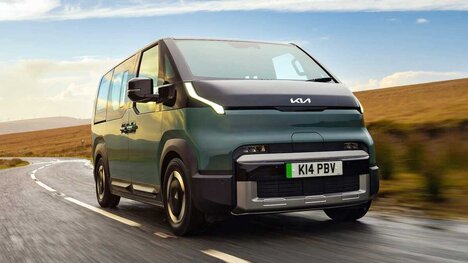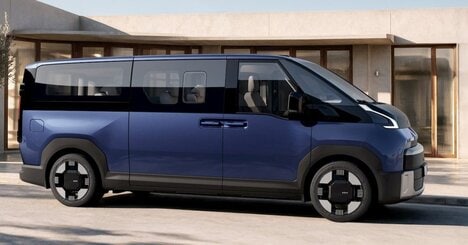
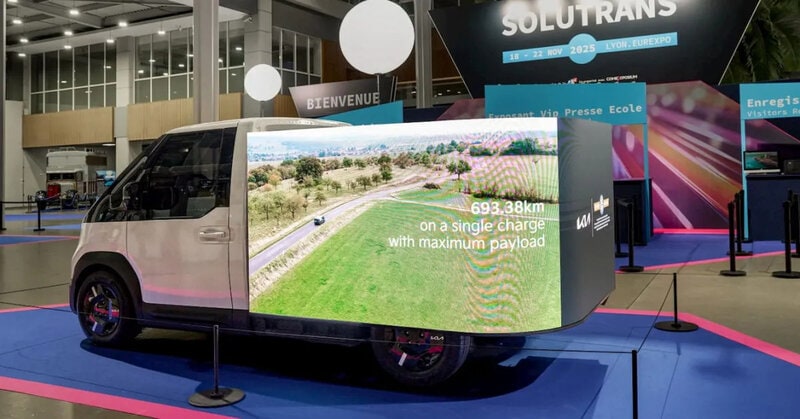
Kia is expanding its PV5 electric van range with the PV5 Chassis Cab, an open-bed platform designed to give businesses more freedom over the vehicle’s final configuration. It joins the existing Passenger and Cargo versions, creating a base for applications ranging from delivery vehicles to camper conversions.
In the UK, TGS Automotive Group will carry out conversion work, while a camper version of the PV5 Chassis Cab was already shown at SOLUTRANS 2025. The UK model uses a 71.2-kWh battery and supports charging at up to 120 kW, giving the platform a combination of flexibility and practical electric range.
The chassis cab approach makes the PV5 less tied to a single commercial use. Businesses and specialist converters can start with the same electric platform and adapt the rear section around specific requirements, whether that means carrying goods, fitting out a camper or creating another purpose-built vehicle.
Image Credit: Electrek
Why This Trend Is Growing
- Modular Electric Platforms
- Flexible chassis architectures create new white-space opportunities for businesses needing vehicle bodies tailored to niche commercial, leisure, or municipal use cases.
- Purpose-built Fleet Conversion
- Specialist upfitting around standardized electric bases enables faster development of customized delivery, service, and mobility fleets with lower platform complexity.
- Electric Camper Adaptation
- Battery-powered chassis cabs expand the camper conversion market by combining zero-emission travel with configurable living and storage layouts.
Industries Being Reshaped
- Commercial Vehicles
- Open electric van platforms reshape light-duty transport by allowing operators to match vehicle formats more closely to operational routes, cargo types, and service models.
- Automotive Conversion
- Converter networks gain relevance as electric chassis cabs become adaptable foundations for bespoke business vehicles, recreational builds, and specialized equipment carriers.
- Last-mile Delivery
- Configurable electric vans support emerging logistics models where vehicle design can be optimized around urban access rules, charging patterns, and parcel density.