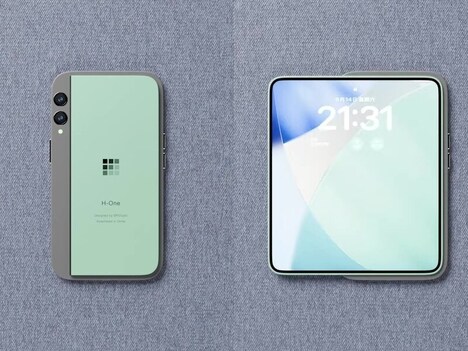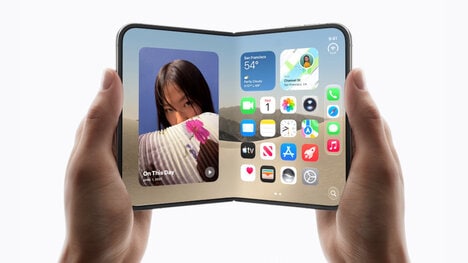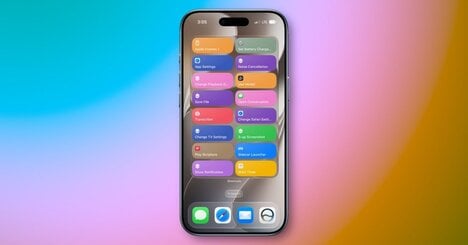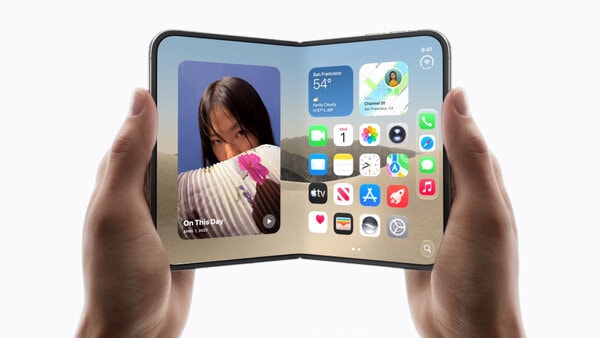
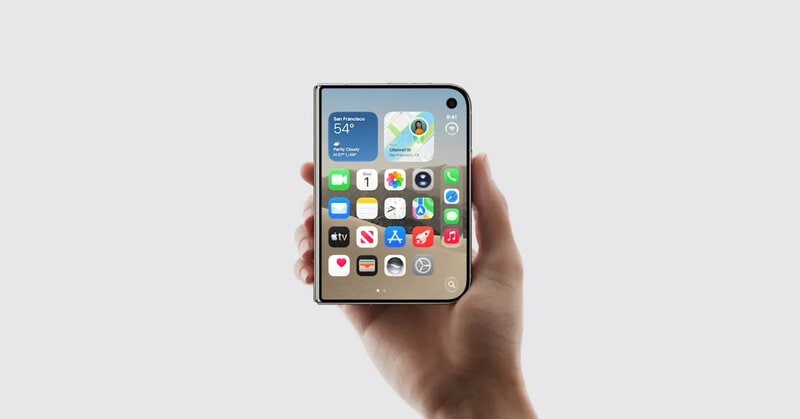
Apple is bringing a one-handed mode to iPhone Duo in iOS 27.3, adding a horizontal version of Reachability that slides the outer display left or right for anyone using the phone with one hand. On other iPhones, Reachability drops the screen downward instead, so this update adapts the tool to Duo's extra-wide panel.
After Reachability is turned on in Settings under Accessibility, a short sideways swipe moves the interface toward either edge, putting more of the screen within thumb range. iOS 27.3 beta 1 is live for developers now, with a public beta expected in the next days and the full release slated for next month, likely in mid-December.
Horizontal Reachability turns the Duo's unusually wide front screen from a compromise into a software-adjustable layout, which makes one-handed use more practical for current owners. Developer-beta availability lets Apple test a hardware-specific accessibility fix before the broader iOS 27.3 rollout.
Image Credit: Apple
Why This Trend Is Growing
- Adaptive One-handed Interfaces
- Mobile operating systems are increasingly using context-aware layout shifts to make larger and foldable screens feel more ergonomic without requiring new hardware.
- Device-specific Accessibility
- Hardware-tailored accessibility features create room for differentiated user experiences that address niche form factors and expand inclusive design standards.
- Software-defined Ergonomics
- Interface repositioning tools show how software can compensate for physical device constraints and improve usability across unconventional screen formats.
Industries Being Reshaped
- Consumer Electronics
- Smartphone makers can use adaptive interface controls to reduce friction on oversized devices and extend the appeal of experimental hardware designs.
- Mobile Software
- Operating system updates that customize interactions by device shape signal new opportunities for platform-level personalization and usability optimization.
- Accessibility Technology
- Inclusive design tools built into mainstream devices are broadening the market for assistive features that enhance everyday convenience as well as accessibility.