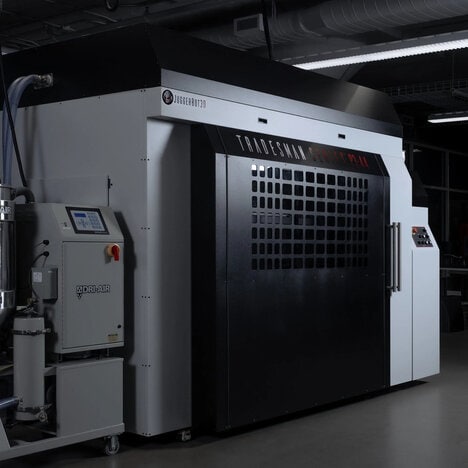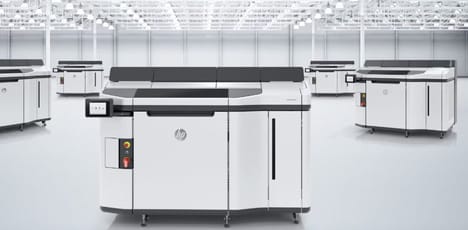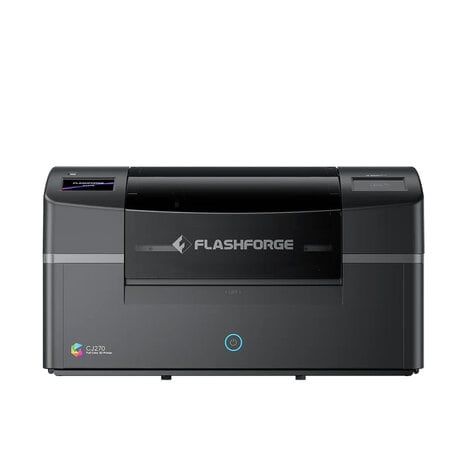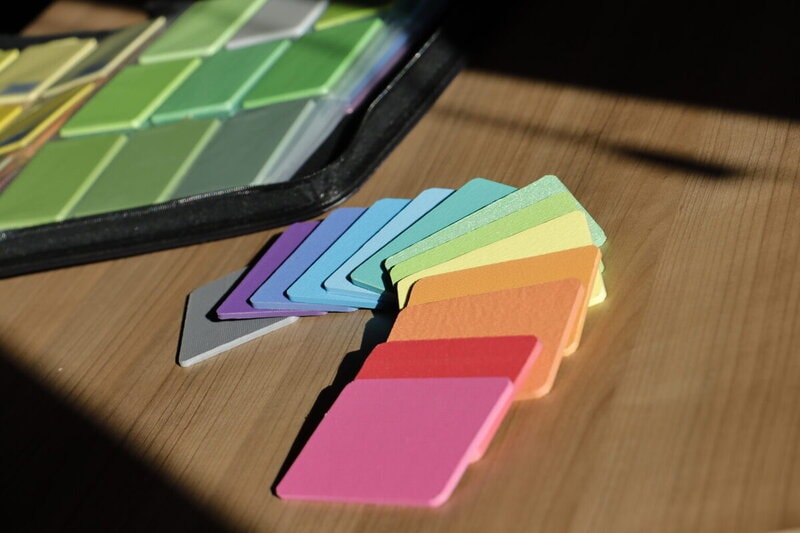
Polymaker is expanding large-format 3D printing with ‘CymphoniK,’ a pellet-coloring setup that lets studios create exact shades on-site instead of waiting on outside suppliers. Built for large-format additive manufacturing (LFAM), it combines hardware, software and colored pellets so users can match brand hues without the large minimum orders common with custom materials.
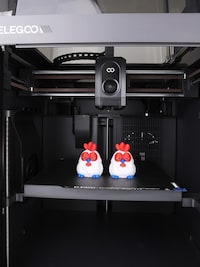
‘CymphoniK’ works from six base pellet colors and already covers more than 100 verified swatches. ‘Palette Software’ matches a target color, calculates the blend ratio and verifies the result with Delta E testing. A McDonald’s ‘Grimace’ installation in China demonstrates the kind of branded display work the system is designed to serve.
Local color matching and smaller material commitments make custom hues a practical production step for large-format studios. ‘Formnext 2026’ demonstrations also move pellet blending closer to a software-led workflow, where faster color approval can undercut delays tied to custom ordering.
Image Credit: Polymaker
Key Themes Behind This Trend
- On-site Material Customization
- Localized pellet blending makes exact color production more accessible, reducing dependence on supplier lead times and high minimum-order custom materials.
- Software-led Color Matching
- Digital color verification through blend calculations and Delta E testing introduces a more precise workflow for branded additive manufacturing outputs.
- Low-volume Custom Production
- Smaller material commitments support flexible manufacturing models where studios can profitably create niche, brand-specific, or one-off large-format installations.
Where This Applies
- Additive Manufacturing
- Large-format 3D printing gains new value as integrated colorant systems expand customization beyond form into production-ready visual branding.
- Experiential Marketing
- Branded installations benefit from faster shade approval and localized fabrication, enabling more responsive production of immersive retail and promotional displays.
- Materials Technology
- Pellet-based color systems signal a shift toward modular material inputs that can be configured closer to the point of production.