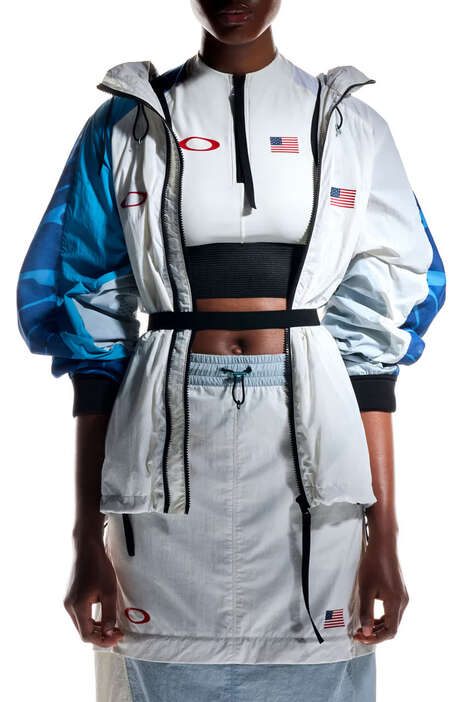
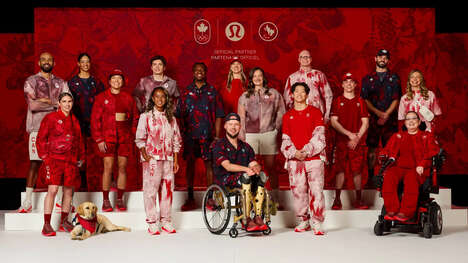
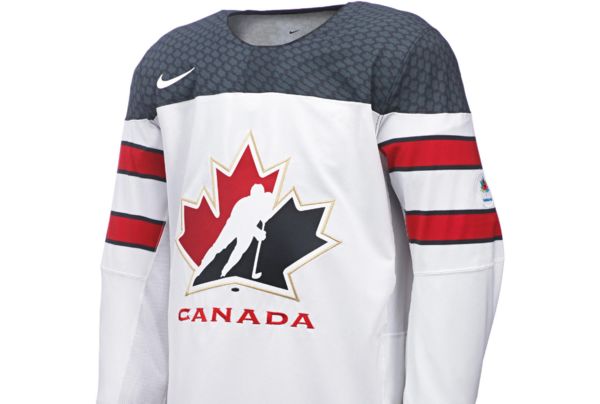
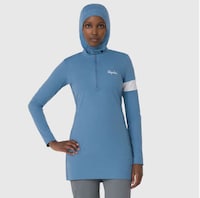
The Rio 2016 Olympics is underway and with it comes many new changes such as the new Olympic standard for uniforms. For the London 2012 games, the Olympic committee changed regulations on the size of uniforms and showed a level of religious respect and inclusiveness. Four years later, the world is able to see this new Olympic standard in play in women's sports.
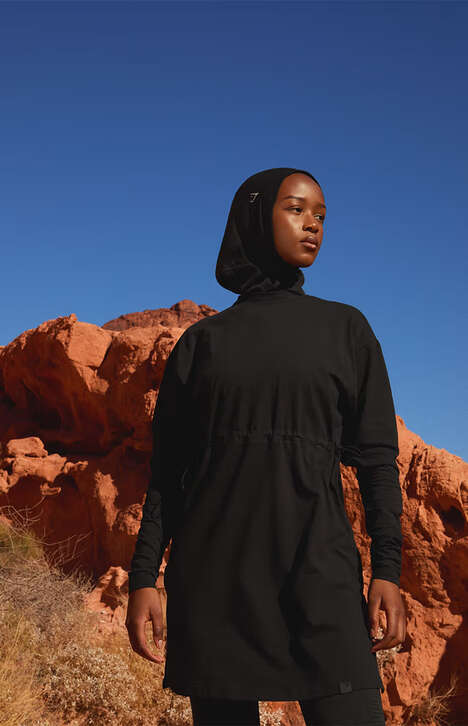
One of the most recent spotlights has been placed on women's beach volleyball. In a game between Egypt and Germany, the Egyptian team donned a completely new style: a hijab and body-covering uniform. The bikini outfits worn by the German players were a stark contrast to the full-length pieces worn by the Egyptian athletes; it truly demonstrated cultural differences. Yet, the integration of the new body-covering uniforms shows how the Olympics has progressed and how the global community is beginning to change.
Key Themes Behind This Trend
- Inclusive Olympic Uniforms
- Disruptive innovation opportunity: Designing inclusive uniforms that cater to diverse cultural and religious needs.
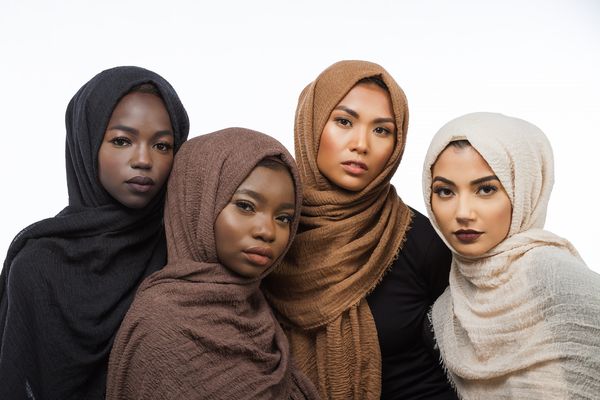
- Religious Respect and Inclusiveness
- Disruptive innovation opportunity: Developing new regulations and standards to promote religious respect and inclusiveness in sports.
- Progression and Global Change
- Disruptive innovation opportunity: Creating platforms and initiatives that foster global progression and positive change through sports.
Where This Applies
- Sports Apparel
- Disruptive innovation opportunity: Rethinking and designing sports apparel to be more inclusive and culturally sensitive.
- Athletic Events and Competitions
- Disruptive innovation opportunity: Introducing new guidelines and regulations to ensure inclusivity and diversity in athletic events and competitions.
- Global Sports Community
- Disruptive innovation opportunity: Building networks and communities that promote diversity, inclusivity, and positive change within the global sports community.