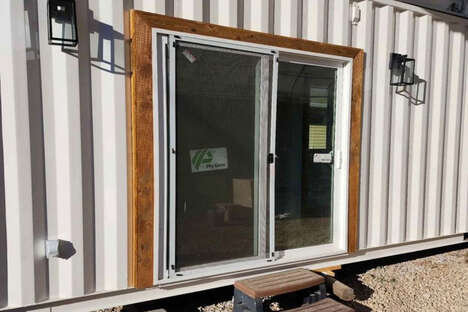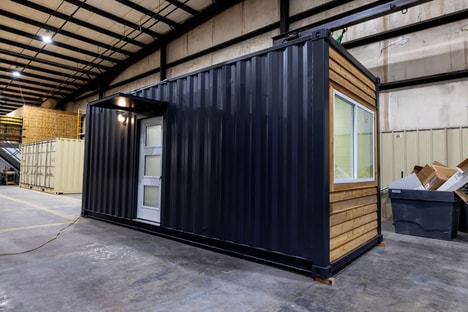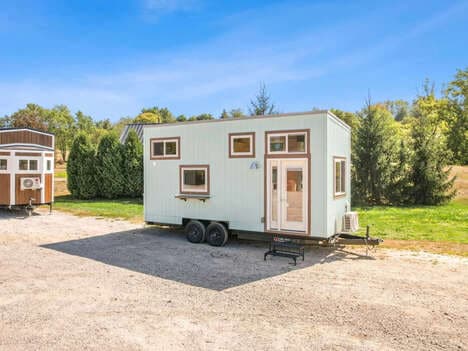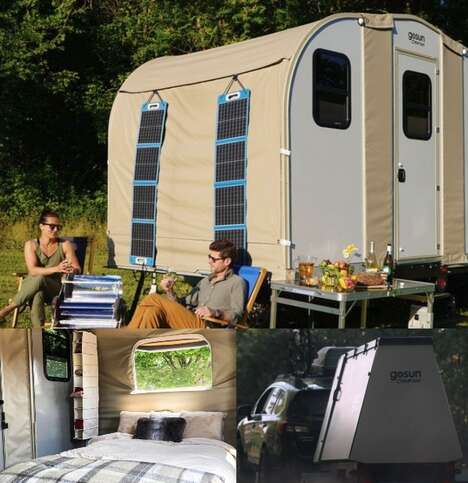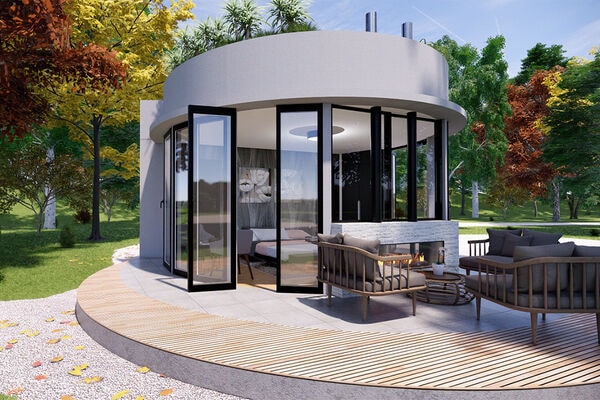
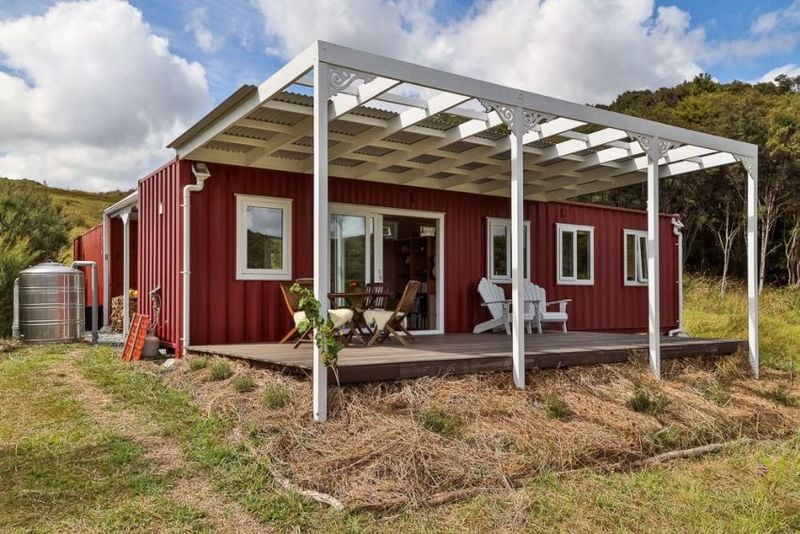
This off-grid shipping container home identifies what can be done to help offer just the right amount of space for living, while also helping inhabitants to lead a self-sufficient lifestyle.
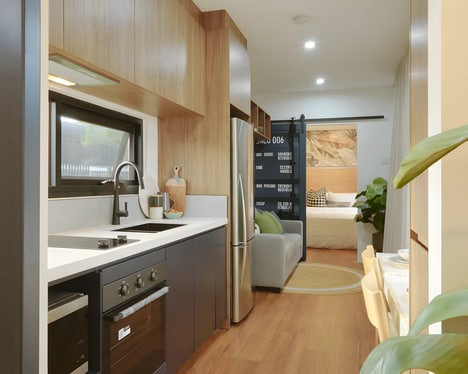
The home is well-equipped with all the amenities of a conventional living space including a kitchen, living room, bathroom and sleeping quarters. The 40-foot shipping container home gets its power from a series of solar panels positioned just off the side of where it's positioned that provide electricity for interior living as well as charging capabilities for an electric vehicle.
The off-grid shipping container home is situated in New Zealand and cost the builders about NZ$115,000 (~$70,000) to achieve with an additional NZ$40,000 (~$25,000) for the solar energy system.
Image Credit: Living Big in a Tiny House
Key Themes Behind This Trend
- Off-grid Living
- The rise in self-sufficient living spaces, such as solar-powered tiny homes, presents disruptive innovation opportunities for renewable energy systems and sustainable living solutions.
- Shipping Container Homes
- The growing popularity of repurposing shipping containers into homes offers disruptive innovation opportunities for affordable housing and eco-friendly construction materials.
- Renewable Energy Systems
- The increasing demand for solar-powered homes highlights disruptive innovation opportunities for improved energy storage and efficient solar panel technologies.
Where This Applies
- Construction
- The construction industry can capitalize on the trend of shipping container homes by exploring innovative designs and construction techniques.
- Renewable Energy
- The renewable energy industry can seize the opportunity presented by solar-powered tiny homes to develop and market advanced solar energy systems.
- Real Estate
- The real estate industry can tap into the trend of off-grid living by offering and marketing self-sustaining homes as a unique selling point for eco-conscious buyers.