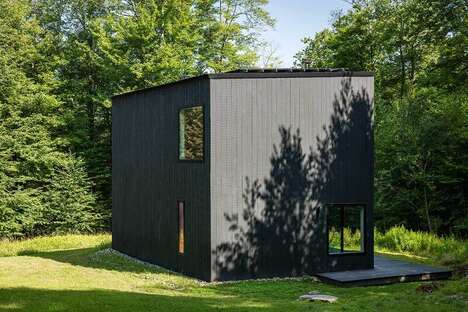
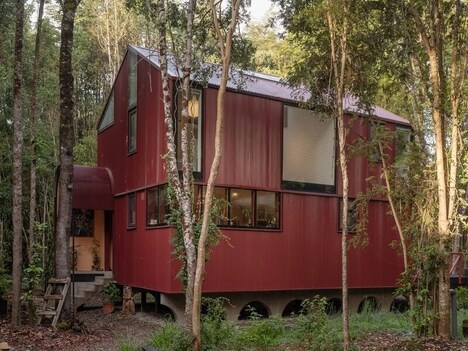
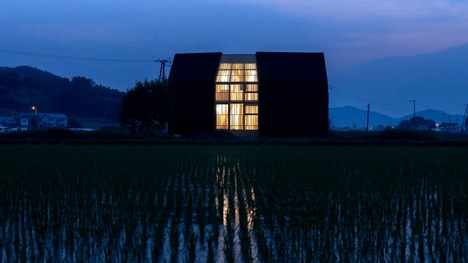
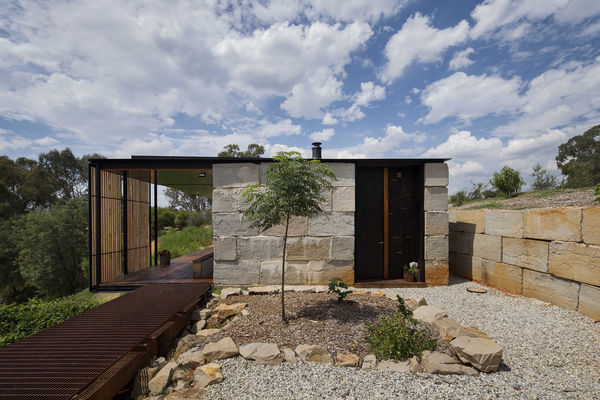
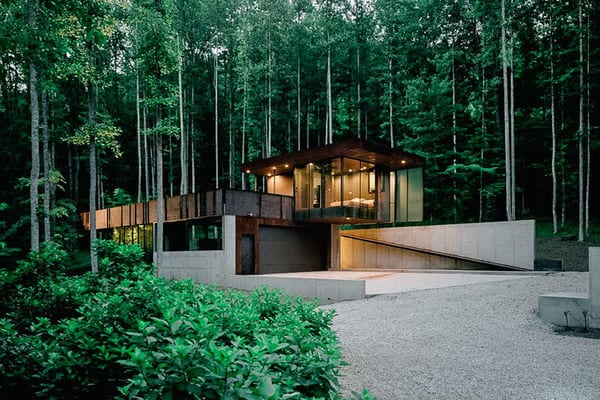
This industrial-looking house is actually a sustainable off-grid home that reinvigorated the surrounding land, putting it back on Mother Nature's course. The young architect, Patrick Dillon, who designed the 'SaLo house' for himself, decided to choose a plot of land in Panama that had been destroyed by slash-and-burn farming.
Its materials are unusual for a forested off-grid home, including corrugated steel, galvanized metal frames and fiberglass panels. However, all of the materials used were leftover from a project Dillon had led building a bridge over the San Pablo River, transforming the industrial looks into sustainable elements.
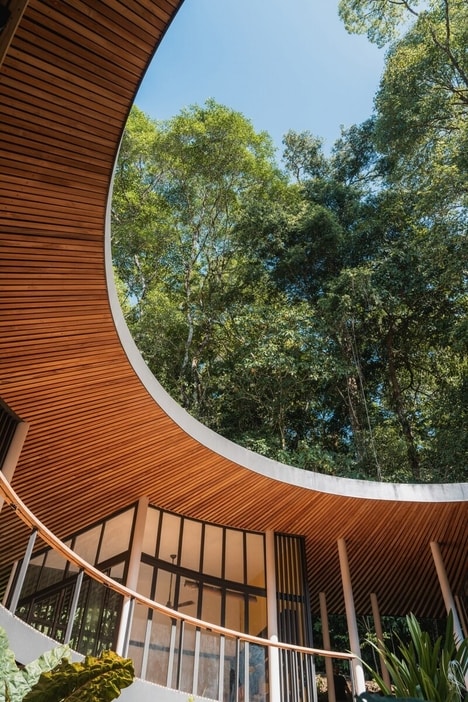
The open center of the home acts as a natural ventilation, while the arched roof allows water to fall and wind to blow strategically. Finally, trees and shrubs were planted and a cistern was built, which quite rapidly became a watering hole for animals like monkeys, iguanas and frogs.
What's Driving This Trend
- Sustainable Architecture
- Opportunity to design and construct environmentally friendly buildings using unconventional materials.
- Off-grid Living
- Potential to create self-sustainable homes that operate without reliance on public utilities.
- Eco-restoration
- Chance to revitalize and rehabilitate damaged ecosystems through innovative design and construction methods.
Who This Affects Most
- Construction
- Incorporate more sustainable and eco-friendly practices in the construction industry.
- Renewable Energy
- Support the growth of off-grid living by providing renewable energy solutions.
- Environmental Restoration
- Foster the development of eco-restoration services to rehabilitate damaged lands and promote biodiversity.