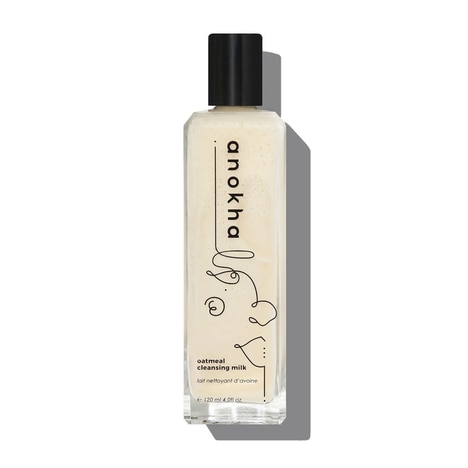
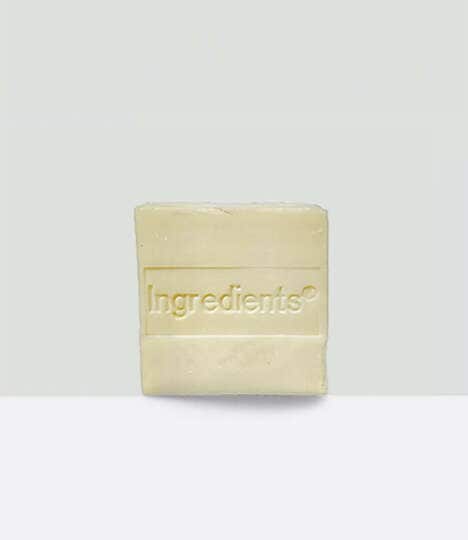
If you have been experimenting with making your own cleanser at home, this DIY project for oatmeal soap is certainly worth a try.
From Julia at the Free People blog, the homemade soap uses a shea butter glycerin soap base instead of lye, which will be especially nourishing to the skin. Oatmeal, on the other hand, is known to have a soothing effect, making it ideal for those suffering from irritated and dry skin this winter. The oats also act as a natural exfoliant.
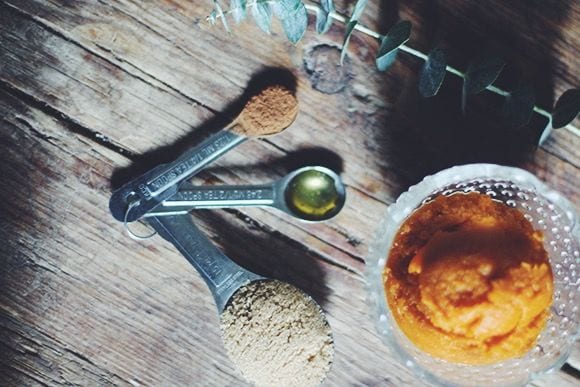
In addition to the glycerin soap base, the DIY oatmeal soap calls for organic rolled oats, raw honey and almond oil. You will also need a soap mold or pan (available at craft stores like Michael's).
Key Themes Behind This Trend
- DIY Skincare
- Skincare enthusiasts are increasingly making their own skincare products at home, creating opportunities for businesses to offer DIY skincare kits and resources.
- Natural Exfoliants
- Consumers are seeking natural exfoliants like oatmeal for their skincare routines, presenting opportunities for businesses to create and market products featuring these ingredients.
- Sustainable Beauty
- As consumers become more environmentally conscious, there is a trend towards sustainable beauty products and packaging, creating opportunities for businesses to innovate in this space.
Where This Applies
- Beauty and Skincare
- Beauty and skincare companies can create and market DIY skincare kits and resources for individuals interested in making their own natural products at home.
- Organic and Natural Food
- Organic and natural food companies can expand their product offerings to include ingredients for homemade skincare products, like rolled oats and raw honey.
- Packaging and Sustainable Materials
- Companies in the packaging and sustainable materials industries can work with beauty and skincare companies to create eco-friendly and sustainable packaging options for their products.