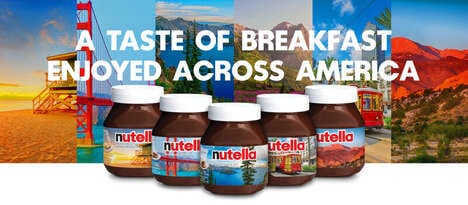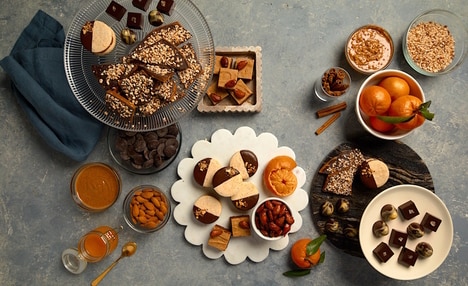
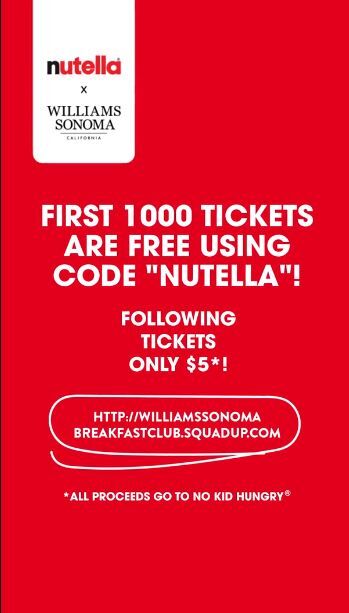
Nutella and Williams Sonoma have teamed up to bring fans a virtual cooking class series, which will each be led by different professional chefs who will guide participants through the process of creating delectable breakfast treats that they can enjoy at home.
A total of five events are slated to take place over the course of the next few months, with the first class on April 10th and the last on July 10th. Fans are able to register for one of the live sessions on the Williams Sonoma website, and can also registration across Nutella's Facebook, Twitter, and Instagram pages.
Tickets to each event can be purchased for $5, or a pass to the entire series can be picked up for just $20. All proceeds from the events will go towards No Kid Hungry, an organization that aims to end childhood hunger in America.
Image Credit: Nutella / Williams Sonoma
What's Driving This Trend
- Virtual Event Series
- There is an opportunity for companies to create more virtual event series that offer new experiences to consumers.
- Charitable Partnerships
- Establishing partnerships with charitable organizations can increase brand awareness and contribute to a good cause while engaging with consumers.
- Cooking Classes
- More businesses can offer or sponsor virtual cooking classes with professional chefs to provide unique experiences for consumers.
Who This Affects Most
- Food and Beverage
- Food and beverage companies can sponsor virtual cooking classes or events to engage with consumers and market their products while givingback to charities.
- Retail
- Retail businesses can offer or sponsor virtual event series to provide unique experiences for consumers, increase brand awareness, and drive sales.
- Non-profit
- Non-profit organizations can form partnerships with businesses to create charitable event series that raise funds for their cause while providing consumers with unique experiences.