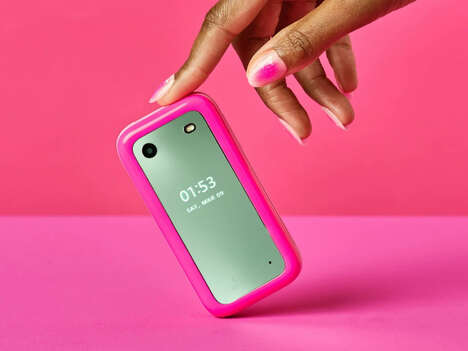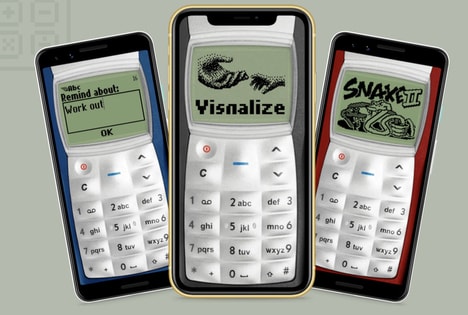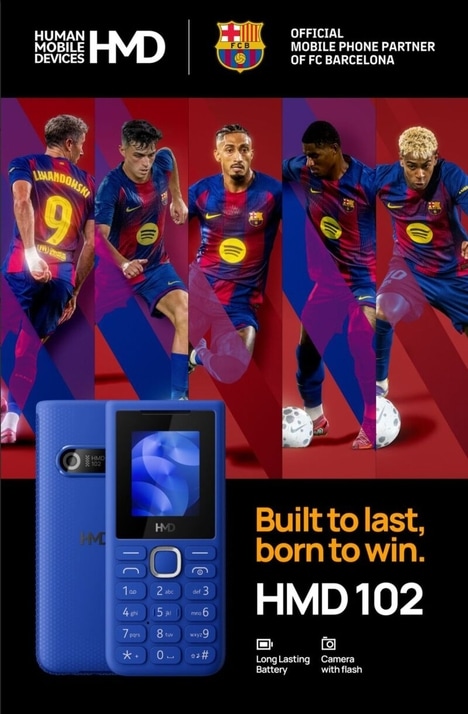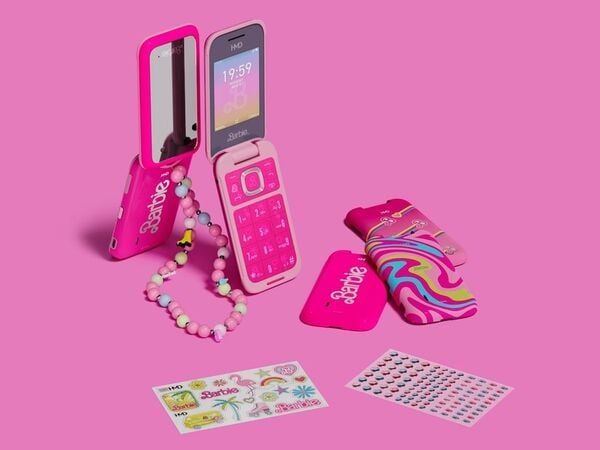
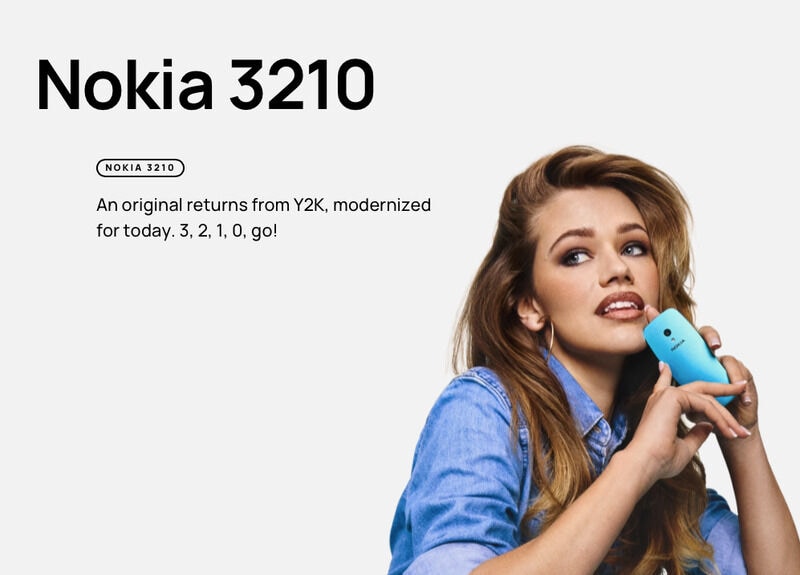
The Nokia 3210 cellphone has been modernized and revived by HMD in celebration of the device's 25th anniversary to give consumers a retro way to stay connected. The mobile phone follows on the design language of the original from 1999, but is modernized with a 2.4-inch QVGA screen, 2MP rear camera with flash, 4G LTE connectivity, Bluetooth 5.0, a USB-C port and more. The cellphone has dual-SIM slots, the classic Snake game and a removable 1,450mAh battery that's rated to provide up to 9.8-hours of talk time.
The Nokia 3210 cellphone is priced at £75 to give it a very cost-conscious profile when compared against modern smartphones and comes in three color options including Y2K Gold, Scuba Blue and Grunge Black.
Image Credit: HMD
What's Driving This Trend
- Retro-modernized Cellphones
- Reimagining classic cellphones with modern features creates a nostalgic yet functional communication device.
- Heritage-inspired Designs
- Drawing inspiration from iconic products of the past to create new versions for today's consumers taps into nostalgia and innovation simultaneously.
- Affordable Vintage Tech
- Bringing back vintage technology at an accessible price point offers a unique blend of nostalgia and affordability to a new generation of users.
Who This Affects Most
- Mobile Technology
- Reviving and modernizing classic cellphones presents opportunities for brands to reinvigorate the mobile technology sector with a touch of nostalgia.
- Consumer Electronics
- Incorporating heritage-inspired designs into consumer electronics opens up avenues for creating products that resonate with both traditionalists and modern consumers.
- Tech Accessories
- Introducing affordable vintage tech products can cater to a market seeking unique and cost-effective tech accessories with a retro charm.