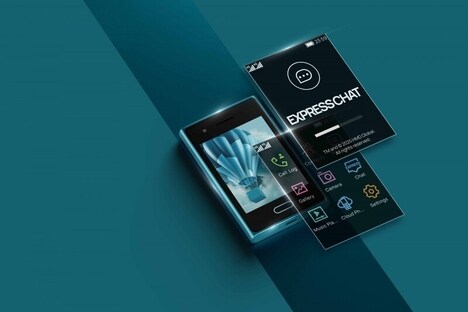
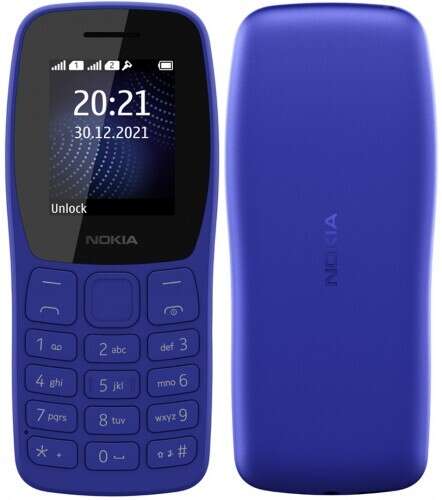
Nokia is introducing the Nokia 220, which is a more basic cellphone at the 2014 Mobile Word Congress. The idea behind the phone is that even if the phone doesn’t run all the apps or belong to a major platform, it will still be able to provide the basics needed for the web to any mobile user.
Nokia’s vice president of product marketing for phones says that, “It’s a service footprint and cloud footprint play. And if you can offer cloud at those price points, it’s a huge competitive advantage.” The price point for the Nokia 220 is about $40 (29 euros). That is a distinctive difference to today’s smartphone prices. The phone itself will have a web browser as well as a pre-installed icon for Facebook and Twitter.
What Makes This Trend Stand Out
- Affordable Basic Cellphones
- The trend towards creating low-cost phones that provide the basics needed for the web has the potential to disrupt the smartphone market by catering to price-sensitive consumers.
- Cloud-based Services
- Offering cloud-based services at low price points can provide a competitive advantage for companies in the basic cellphone market.
- Pre-installed Social Media Access
- The inclusion of pre-installed icons for popular social media platforms such as Facebook and Twitter can make basic cellphones more appealing to social media-savvy consumers.
Sectors Adopting This
- Mobile Devices
- The trend towards creating low-cost basic cellphones could disrupt the mobile device industry by catering to price-sensitive consumers who may not be able to afford traditional smartphones.
- Telecommunications
- Companies in the telecommunications industry can benefit from offering cloud-based services at low price points, potentially capturing market share in the basic cellphone market.
- Social Media
- The inclusion of pre-installed social media icons on basic cellphones presents an opportunity for social media companies to expand their customer base and increase user engagement.