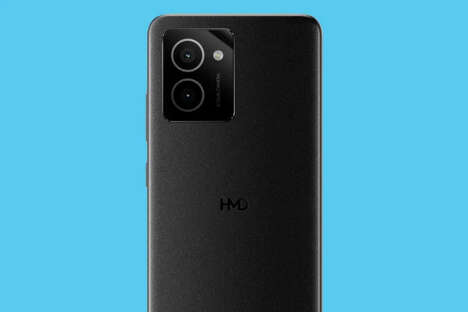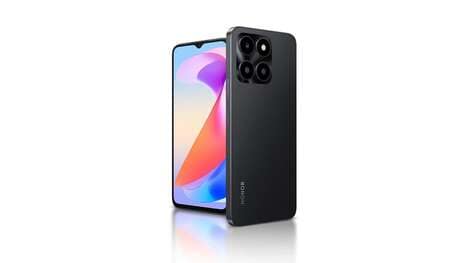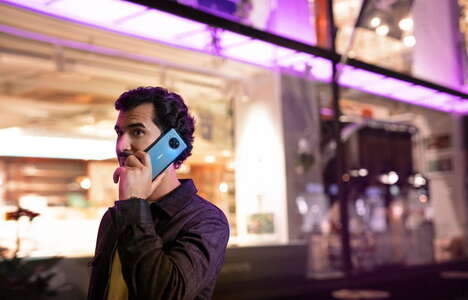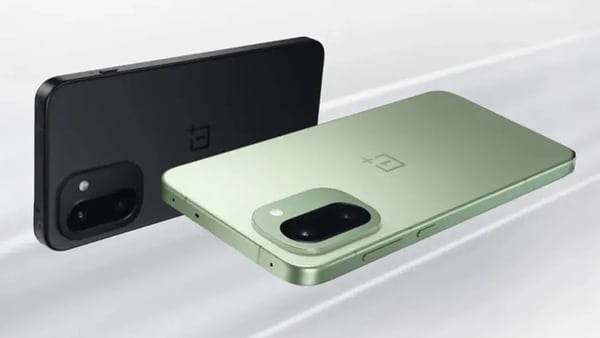
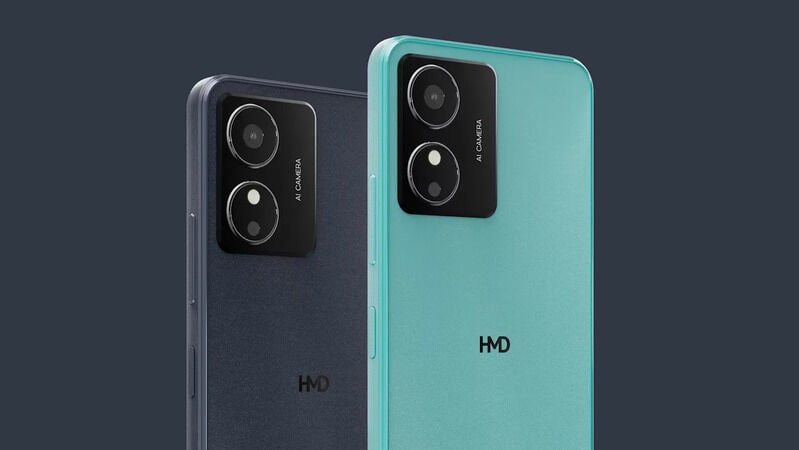
Flagship smartphones are notorious for having a price tag that can extend into the thousands, so the HMD Key smartphone is meant to offer an alternative at the other end of the spectrum. Priced at $75, the smartphone is headed to the UK, Australia and New Zealand markets to provide consumers with a very budget-conscious option to pick up that offers base level capabilities.
The smartphone puts a 6.52-inch display in the spotlight with 32GB of internal storage, 2GB of RAM and a Unisoc processor. The smartphone is reported by the brand to deliver up to 47-hours of use per charge, which will come as welcome news to consumers looking to maximize their connectivity and minimize downtime.
Image Credit: HMD
Key Themes Behind This Trend
- Low-cost Technology
- Expanding access to affordable smartphones redefines the market by appealing to cost-conscious consumers who prioritize affordability over high performance.
- Sustainable Consumer Electronics
- The trend of choosing ultra-affordable devices reflects a shift towards more sustainable consumption patterns, appealing to eco-conscious consumers seeking to minimize electronic waste.
- Emerging Market Strategies
- Targeting regions like the UK, Australia, and New Zealand with budget-friendly options indicates a focus on capturing emerging consumer segments and enhancing market penetration.
Where This Applies
- Consumer Electronics
- Shifting the focus towards budget-friendly smartphone options challenges established brands to reconsider pricing strategies and product offerings.
- Battery Technology
- Extended battery life in low-cost smartphones stimulates innovation in battery efficiency and longevity, especially within the affordable segment.
- Mobile Telecommunications
- The introduction of ultra-affordable smartphones presents opportunities for mobile carriers to expand their subscriber base by offering inclusive access to connectivity.