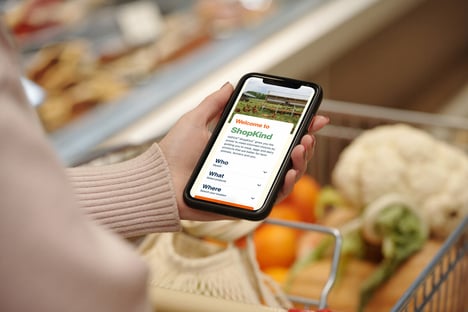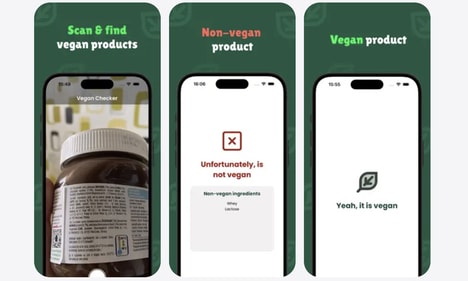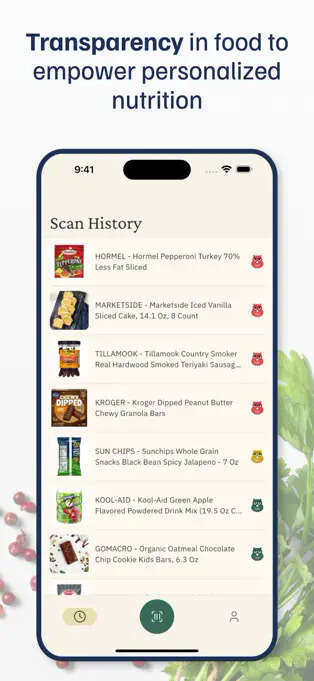
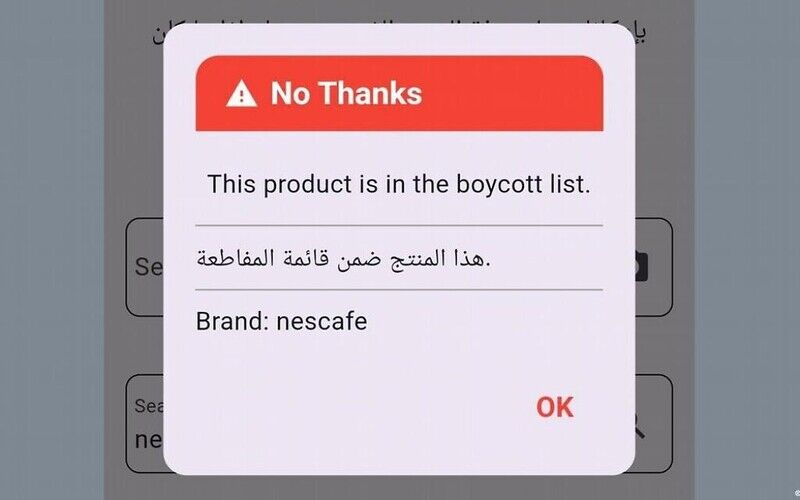
No Thanks, a new app created by Palestinian graduate student Ahmed Bashbash, has officially launched to provide shoppers with a new way to scan barcodes and see if an item is connected to Israel. No Thanks also prompts users with a "No Thanks" message, discouraging purchases of certain products. Prominent social media platforms like TikTok and X have showcased videos featuring brands such as Coca-Cola and Nescafé, which are flagged within the app.
Notably, No Thanks bases its list on the Boycott, Divestment, and Sanctions (BDS) movement's list of brands. The BDS movement is a Palestinian-led collective dedicated to advocating for and defending Palestinian rights. By downloading No Thanks, consumers can actively choose which brands align with their morals and values.
No Thanks is available in the iOS and Google Play stores.
Image Credit: No Thanks
What Makes This Trend Stand Out
- Ethical Shopping Apps
- Apps like No Thanks empower consumers to make purchasing decisions aligned with their values by simply scanning product barcodes.
- Consumer Activism Technology
- Technologies that facilitate consumer activism, such as boycott-supporting apps, are increasingly influential in modern shopping behavior.
- Purpose-driven Consumption
- The rise of purpose-driven consumption encourages apps that help users avoid products from companies that conflict with their ethical stances.
Sectors Adopting This
- Mobile Application Development
- Innovative mobile apps offering ethical shopping choices present new opportunities for developers to cater to conscious consumers.
- Retail and E-commerce
- The retail industry can benefit from integrating ethical considerations into their platforms, appealing to morally-driven customers.
- Social Media Platforms
- Social media platforms showcasing activist content mobilize users around causes, influencing buying patterns and amplifying ethical movements.