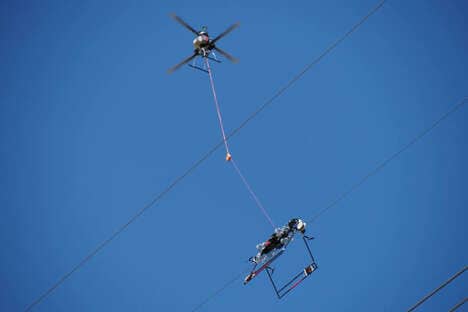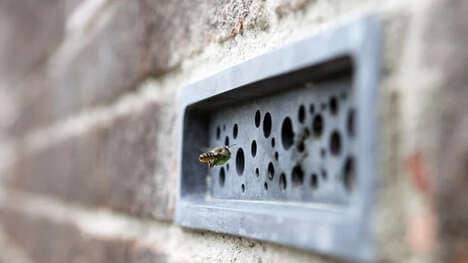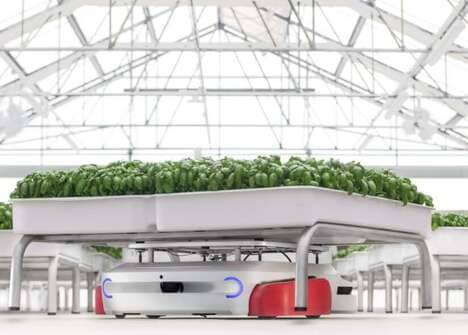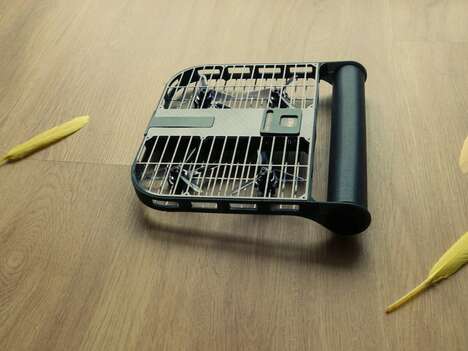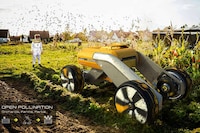
With this video, Greenpeace presents 'NewBees,' a stronger, more efficient and high-tech species of robotic bees. The parody envisions a world where bees as we know them have died out and replaced with NewBees. Just like honeybees, NewBees play huge roles in agriculture and they are required to do a lot of different tasks. Greenpeace envisions that the bees would be solar-powered, hardly need any down time and be able to take down predators with ease.
Near the end of the video, Greenpeace encourages viewers to do a search for "robot bees" online, which brings up several real world projects that are very similar to NewBees. Greenpeace has also set up Robobees.info, where it remarks: "Robobees? This is not our vision for the future of agriculture."
What Makes This Trend Stand Out
- Robotic Bees
- Disruptive innovation opportunity: Develop advanced robotic bees to replace the declining bee population in agriculture.
- Solar-powered Bees
- Disruptive innovation opportunity: Create self-sustaining robotic bees powered by solar energy, reducing the need for downtime and increasing efficiency.
- Predator Defense Bees
- Disruptive innovation opportunity: Design robotic bees capable of combating predators, ensuring the safety and productivity of agricultural environments.
Sectors Adopting This
- Agriculture
- Disruptive innovation opportunity: Integrate robotic bees into farming practices to revolutionize crop pollination and increase agricultural yields.
- Renewable Energy
- Disruptive innovation opportunity: Develop technologies for harnessing solar power to sustain the energy requirements of robotic bees in various industries.
- Artificial Intelligence
- Disruptive innovation opportunity: Combine AI and robotics to enhance the capabilities of robotic bees, enabling autonomous decision-making and adaptive behavior.