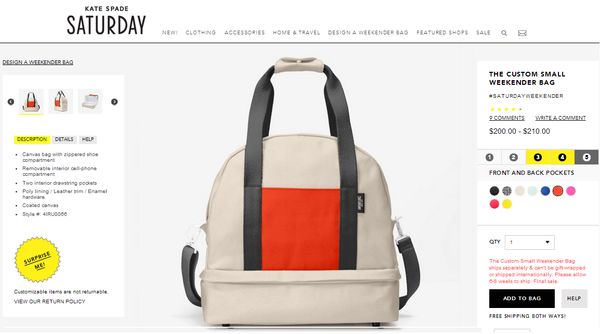
The shopping periodical Lucky is about to launch a dedicated shopping site called MyLuckyMag.com that will allow readers to buy fashion items directly from retailers, without being redirected to the retailer's own website.
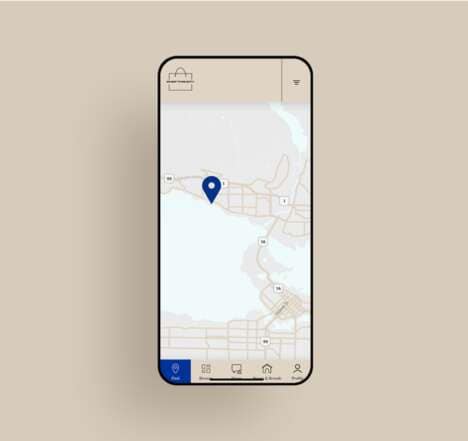
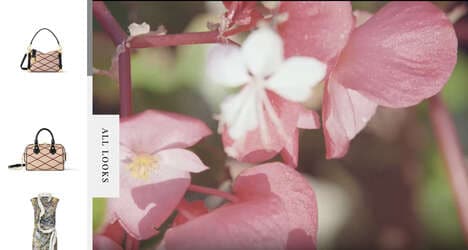
Set to launch on Aug. 17, MyLuckyMag.com is the magazine's first foray into e-commerce, and it aims to make the shopping experience an extremely tidy one for readers. The new site essentially eliminates the inconvenience and inefficiencies that can arise from shopping across multiple brands. Unlike other aggregated shopping sites, online shoppers on MyLuckyMag don't have to leave the website at all as they peruse through offerings from different retailers. The shopper can put clothing and accessories from several different retailers into her virtual shopping cart and buy them all in one spot.
According to the New York Times, MyLuckyMag.com will be introduced to Lucky readers in the magazine's September 2012 digital edition.
Key Themes Behind This Trend
- Direct Shopping Sites
- The trend of creating dedicated shopping sites that bypass traditional retailer websites provides opportunities for disruptive innovation.
- Aggregated Shopping Sites
- Aggregated shopping sites that eliminate the inconvenience and inefficiencies of shopping across multiple brands are a disruptive innovation opportunity.
- Integrated Shopping Experience
- The trend of providing integrated shopping experiences on one site creates opportunities for disruptive innovation.
Where This Applies
- Fashion Retail
- The fashion retail industry can benefit from embracing direct and aggregated shopping sites to enhance the customer experience.
- E-commerce
- The e-commerce industry can continue to innovate by creating integrated shopping experiences that provide more convenience and efficiency for customers.
- Publishing
- The publishing industry can explore new revenue streams by integrating e-commerce into their digital offerings.