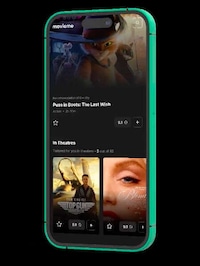
Using a smartphone during a movie is widely seen as a faux pas, distracting other movie-goers from the screen and the shared cinematic experience, but Meta‘s new Movie Mate technology encourages it. Meta is bringing a second-screen experience to those who attend M3GAN at Blumhouse‘s second Halfway to Halloween screenings.
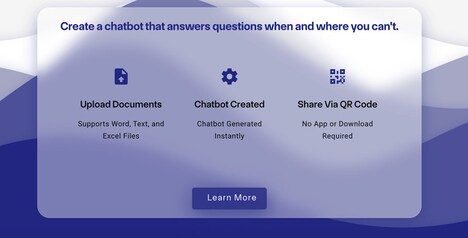
To accompany the horror sci-fi film centered on an AI doll that takes on a life of its own, the "first-to-market moviegoer experience" introduces a chatbot to interact with M3GAN, access exclusive trivia and behind-the-scenes content.
The way people consume content is changing, and to acknowledge that viewers watch movies, shows, and televised events with a phone in hand, second-screen experiences are becoming an increasingly common part of capturing and keeping attention, as well as enriching the overall experience.
Image Credit: Tyler Delgado, Unsplash
Why This Trend Is Growing
- Interactive Second-screen Technology
- Second-screen experiences are transforming how audiences engage with films by integrating interactive features like chatbots and exclusive content.
- AI-driven Content Engagement
- Artificial intelligence enhances viewer interaction by presenting dynamic, personalized content that complements the main feature.
- Augmented Reality in Cinemas
- Implementing augmented reality in theaters offers immersive experiences that bridge digital and physical spaces during screenings.
Industries Being Reshaped
- Entertainment Technology
- Entertainment technology firms are innovating the traditional movie-going model by merging digital platforms with cinematic experiences.
- Mobile Application Development
- Developers focusing on mobile applications are capitalizing on second-screen trends to create novel ways for users to interact with films.
- Cinema and Film Exhibition
- The cinema and film exhibition industry is evolving with new strategies to enhance viewer engagement through synchronized digital content.