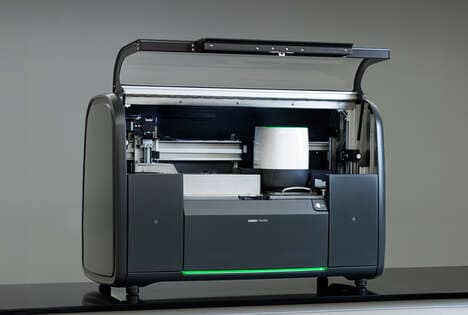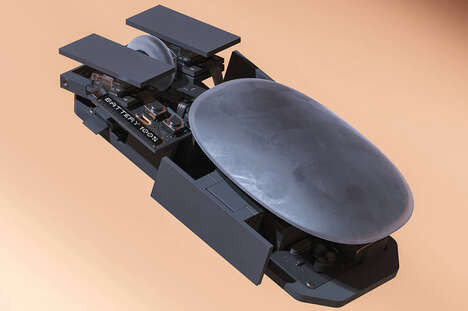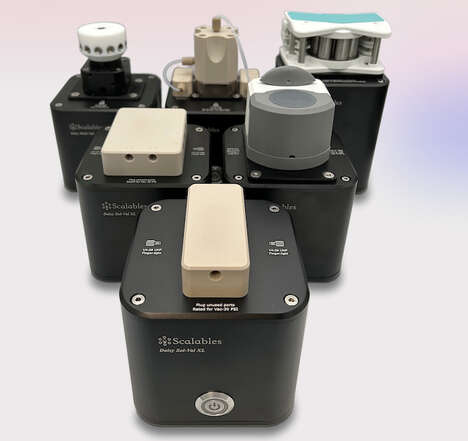
Lab mice are a crucial part of the world of basic research, but the facilities used to house these rodents haven't evolved fast enough to keep up with the requirements of modern scientific enquiry, which is where the Autonomouse mouse cages come in.
Designed by a group of researchers and engineers over at the Francis Crick Institute in the U.K., the Autonomouse mouse cage is an automated habitat that is capable of providing its furry habitants with unlimited food and water with minimal human supervision.
What's more, this mouse cage is capable of housing several mice that remain in the same social group for the duration of their participation in experiments, allowing scientists to better control variables.
By automating habitat conditions for lab mice, the Autonomouse cage aims to allow scientists to focus their energies on their research.
What's Driving This Trend
- Automated Lab Cages
- Automation of lab animal habitats allows for more efficient and effective animal research.
- Social Grouping in Lab Animals
- The ability to house lab animals in social groups opens new avenues for research and experimentation.
- Remote Monitoring of Lab Animals
- The use of technology to remotely monitor lab animal habitats could improve animal welfare and reduce human error.
Who This Affects Most
- Pharmaceutical Research
- Automated lab cages could improve efficiency in drug development and testing.
- Biomedical Engineering
- Automating lab animal habitats could be an opportunity for disruptive innovation in the biomedical engineering industry.
- Agriculture
- Technologies developed for the automated and remote monitoring of lab animal habitats could have applications in improving animal welfare and productivity in the agricultural industry.