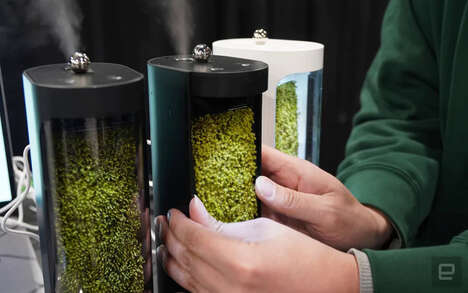
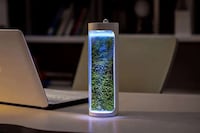
This moss-powered radio provides an alternative to the ordinary types of power generators. Biological solutions aren’t new, but being able to use plants essentially as solar panels for sustained energy is still not commonplace.
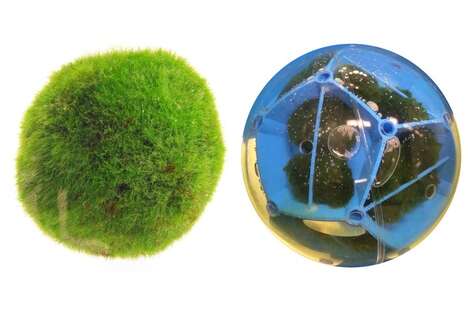
The moss-powered radio was built by a Swiss designer named Fabienne Felder and uses the process of photosynthesis to generate electricity. There are 10 pots of moss all connected to each other that also connect to the radio to play it.
In a discussion, they also say that other plants could have been used for the project but that moss is the best choice because it “operate as potentially better photo-active components in Photo-MFCs due to particularities in their photosynthetic process.” This project shows that power can be conducted in a variety of ways we don’t use normally yet.
What's Driving This Trend
- Biological Power Generators
- The use of biological organisms as energy sources opens up opportunities for sustainable and alternative power generation.
- Plant-based Energy Conversion
- Exploring the use of plants, such as moss, as solar panel alternatives can revolutionize the way we generate electricity.
- Photoactive Components in Photo-mfcs
- Utilizing the unique photosynthetic properties of plants, like moss, for photoactive components in microbial fuel cells (MFCs) can drive disruptive innovations in renewable energy.
Who This Affects Most
- Energy Generation
- The energy generation industry can benefit from incorporating biological solutions and plant-based energy conversion technologies to diversify sustainable power sources.
- Technology and Electronics
- The technology and electronics industry can explore disruptive innovations by integrating biological power generators, like moss-powered radios, into their products.
- Renewable Energy
- The renewable energy industry should consider investing in research and development of photoactive components using moss and other plants to enhance the efficiency and scalability of microbial fuel cells.