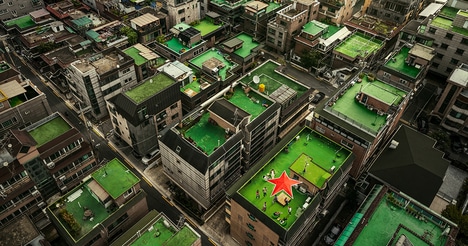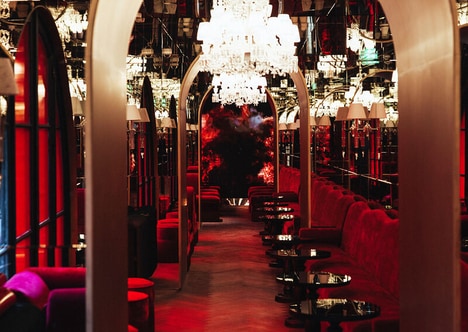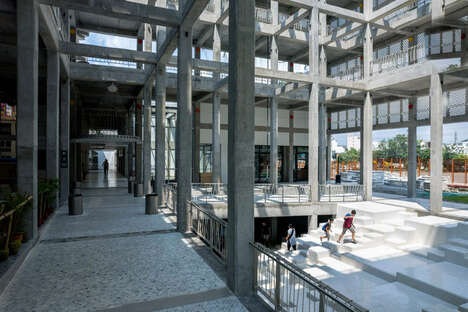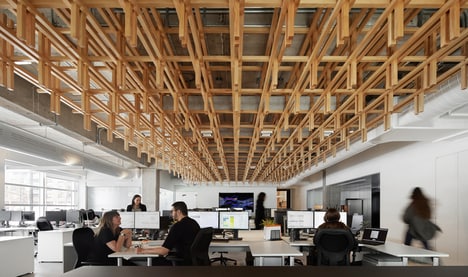
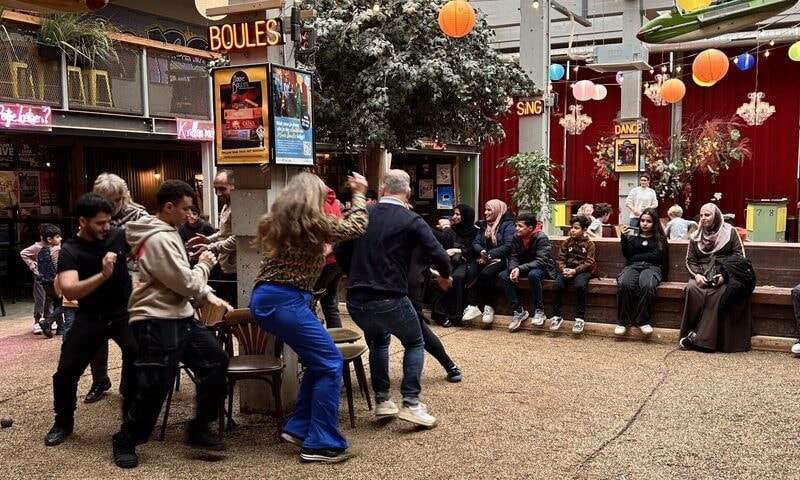
Dutch hospitality company Mooie Boules launched a new foundation called Mooie Buurt ("Beautiful Neighborhood") so that all nine of its locations across the Netherlands will be available, free of charge, during the day for community groups and residents who want to come together. Around the world, the quiet erosion of third spaces—those vital places between home and work where people connect—has left communities more fragmented and individuals increasingly isolated, with profound impacts on collective well-being and mental health.
Last year, as part of a pilot program, Mooie Boules facilitated 50 community activities, resulting in 5,500 new encounters, and 45% of participants reporting that they felt more connected to their neighborhood.
After adding value to the spaces during off-peak hours, this initiative sees the venues become commercial bars in the evening.
Why This Trend Is Growing
- Adaptive Space Usage
- Venues transforming into community hubs during off-peak hours embrace adaptive space usage, enhancing social cohesion and maximizing utility.
- Community-driven Initiatives
- Communities utilizing third spaces for local activities highlight a trend towards fostering community-driven initiatives to tackle social fragmentation.
- Hybrid Venue Models
- The dual-functionality of spaces serving as community centers by day and commercial bars by night exemplifies the emerging trend of hybrid venue models.
Industries Being Reshaped
- Hospitality Industry
- The hospitality industry is innovating by repurposing venues as community centers to drive social connections and increase space utilization.
- Real Estate Industry
- The real estate industry can leverage the concept of adaptable spaces to revitalize third places for both public engagement and profit.
- Non-profit Sector
- Non-profit organizations can embrace the creation of shared community spaces to foster collaboration and connection among residents.