

Cutting-edge technology has allowed for significant improvements in the quality of life of people living with paralysis, and the new "neural bypass" system is the first brain implant technology of its kind that has the ability to mobilize paralyzed people.
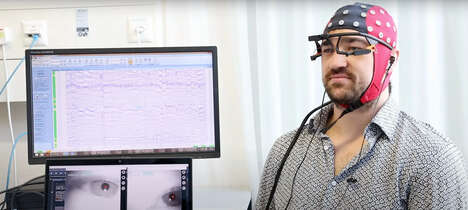
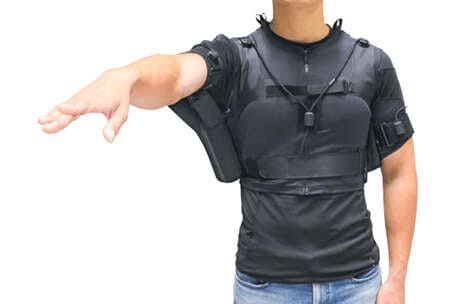
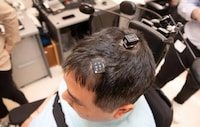
The technology involves a brain chip that is able to decode brain waves and interpret their intentions, and from there, signals are sent to control a muscle simulator that empowers movement in the paralyzed limb.
Ian Burkhart is the only person as of yet who has has the chip tested on him. After spending significant time practicing imagining using his paralyzed hand, he was able to use his hand after having the chip inserted. He is now also able to open and close his hand, as well as pick up objects and move them around.
What Makes This Trend Stand Out
- Neural Bypass
- Developing implants that can decode brain waves and send signals to control muscle simulators for paralyzed individuals presents an opportunity for disruptive innovation in the healthcare industry.
- Brain-computer Interface
- The use of brain implants to interpret mental intent and translate it into actionable movements creates a disruptive innovation opportunity in the fields of prosthetics and robotics.
- Neurotechnology
- The development of sophisticated neurotechnology has the potential to revolutionize the way we understand and treat neurological disorders, opening up opportunities for disruptive innovation in neuroscience and medical research.
Sectors Adopting This
- Healthcare
- The development of neural bypass systems and brain-computer interfaces presents a significant opportunity for disruptive innovation in the healthcare industry, particularly in fields such as neurology and rehabilitation.
- Prosthetics
- The ability to interpret brain waves and translate them into movements via implanted devices is a game-changing innovation for the prosthetics industry, with tremendous potential for improving quality of life for amputees and paralyzed individuals.
- Robotics
- The application of brain implants and neural bypass technology in robotics presents a disruptive innovation opportunity for the robotics industry, particularly in the development of advanced prosthetics and assistive devices.