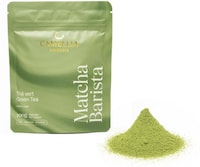
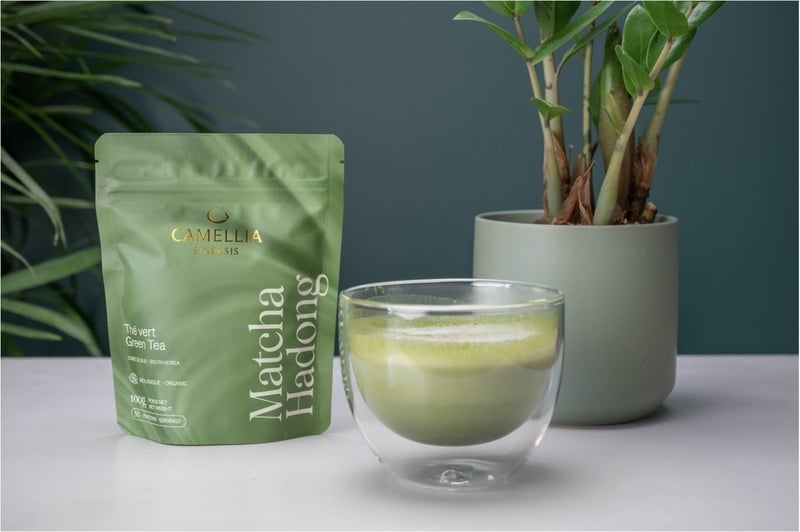
Camellia Sinensis Matcha Hadong Organic has been debuted by the brand as its first-ever matcha green tea sourced from South Korea. The product boasts matcha sourced from the Hwagae-myeon region in South Korea and boasts an organic profile that comes from old-growth tea plants. The tea thus features a vegetal tasting profile with oceanic tasting notes that's perfect for use in a variety of recipes including lattes, smoothies and baked goods.
Camellia Sinensis Matcha Hadong Organic taps into the continued popularity of matcha green tea and helps diversify what options are available to shoppers who are open to exploring different varieties from different regions. The tea is priced at $38 per 100-grams and can be purchased online from the brand and at boutiques.
What's Driving This Trend
- Korean Matcha
- South Korean tea origins expand the premium matcha market with new regional stories, flavor signatures and provenance-based differentiation for adventurous consumers.
- Terroir-driven Tea
- Oceanic and vegetal tasting notes give specialty tea brands room to position matcha around place-specific flavor profiles rather than generic wellness claims.
- Recipe-ready Matcha
- Premium matcha formatted for lattes, smoothies and baked goods reflects demand for versatile ingredients that bridge cafe culture, home cooking and functional indulgence.
Who This Affects Most
- Specialty Tea
- Regional organic matcha creates new premium tiers in specialty tea by combining origin transparency, old-growth sourcing and distinctive sensory profiles.
- Premium Grocery
- Boutique and online distribution channels make niche global tea varieties more accessible to shoppers seeking elevated pantry staples with culinary flexibility.
- Functional Beverages
- Matcha’s continued popularity supports innovation in naturally caffeinated beverages that pair wellness cues with sophisticated flavor exploration.