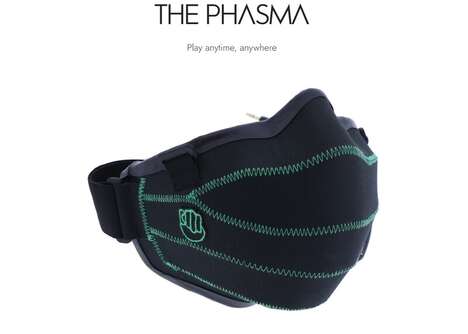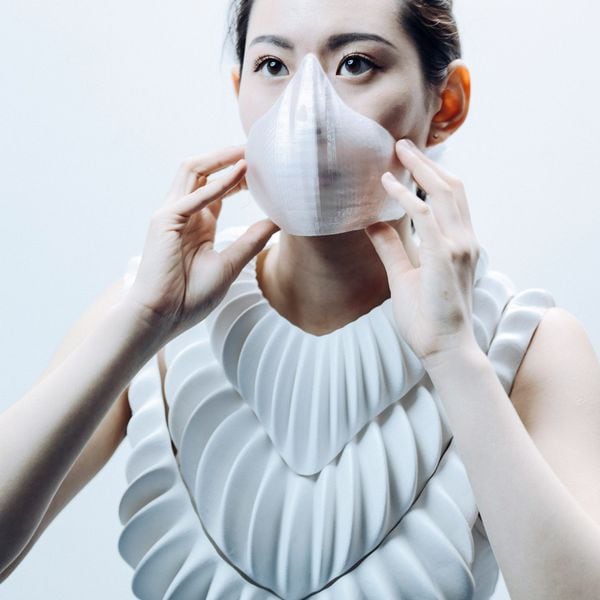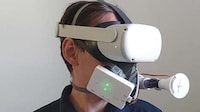


MIT Media Lab graduate and artist Xin Liu created 'Masque' as a sculptural mask that wraps around a person's face and changes the way that they perceive their own breathing. While the mask makes no changes to a user's physiological state, wearing the contraption shows just how vulnerable the body can be to the influence of technology.
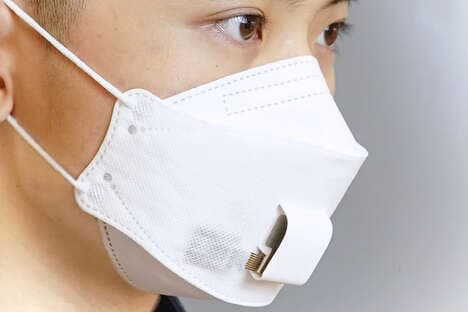
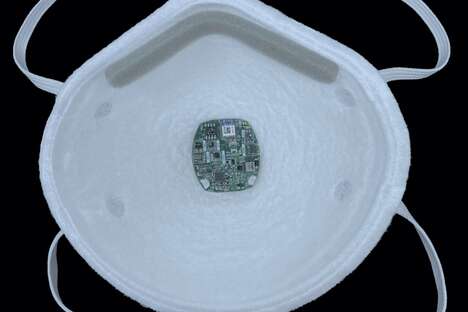
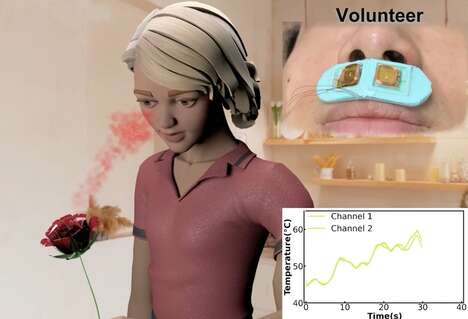
Masque boasts a temperature sensor just under the nostril are to detect respiration, as well as bone conduction headphones that plays back the sound of one's own breathing. As a result, the person who is wearing the Masque has the potential to see themselves as more stressed, simply based on the way that they experience their own breath. As Liu describes, "It’s a little like how you sometimes hear yourself talking on speaker phone."
Key Themes Behind This Trend
- Psychological Augmentation
- Masque is a prime example of how technology can be used to alter a person's perception of themselves, leading to potential future innovations in the field of psychological augmentation.
- Sensory Manipulation
- Masque's use of bone conduction technology and temperature sensors highlights the potential for sensory manipulation within various industries.
- Mind-body Feedback
- Masque demonstrates the potential for mind-body feedback technology, paving the way for future innovations in healthcare and wellness sectors.
Where This Applies
- Artificial Intelligence
- The advancements in AI technology could lead to future innovations in the creation of psychologically disruptive products and experiences.
- Healthcare
- The technology used in Masque offers potential applications in the field of behavioral health to help individuals self-regulate their physiological and emotional responses.
- Entertainment
- The future application of sensory manipulation technologies could transform the way we experience entertainment, creating more immersive and memorable experiences.