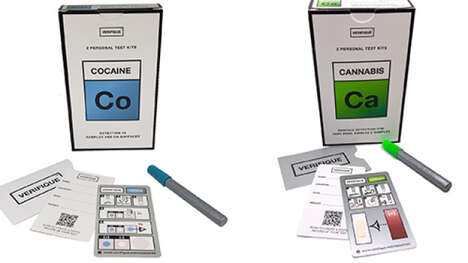
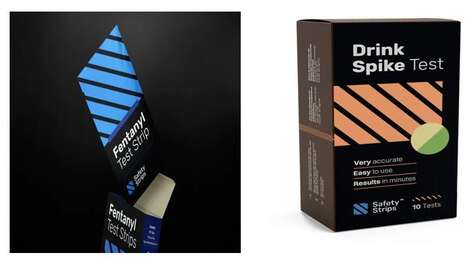
As marijuana becomes either decriminalized or outright legalized in more and more jurisdictions, the problem of finding an effective and efficient marijuana test looms over legislators. Thankfully, researchers from Stanford University may have overcome a serious hurdle by inventing a new saliva-based marijuana test.
Previously, marijuana testing was a tricky issue, especially when considered in the context of weed as a legal drug. While scientists and doctors have been able to accurately test for the presence of THC for years, these tests required either a blood sample or a urine sample. Neither of those methods are practical when it comes to a roadside test. The new marijuana test can detect THC in potential users with a simple saliva swab that cops can administer and it delivers results in just three minutes.
Why This Trend Is Growing
- Saliva-based Marijuana Tests
- A new saliva-based marijuana test has been developed, making it more efficient and practical to detect the presence of THC.
- New Drug Testing Technologies
- Advancements in drug testing technologies are rapidly emerging and creating opportunities for innovation and growth.
- Marijuana Legalization Impact
- The legalization of marijuana is creating new challenges and opportunities in various industries, including law enforcement and healthcare.
Industries Being Reshaped
- Law Enforcement
- The new saliva-based marijuana test can greatly benefit law enforcement agencies, providing them with a more efficient and practical solution for roadside drug testing.
- Healthcare
- The development of new drug testing technologies is creating opportunities for healthcare professionals to better diagnose and treat drug-related illnesses.
- Cannabis Industry
- The impact of marijuana legalization is creating opportunities for growth and innovation within the cannabis industry, including the development of new testing and detection technologies.