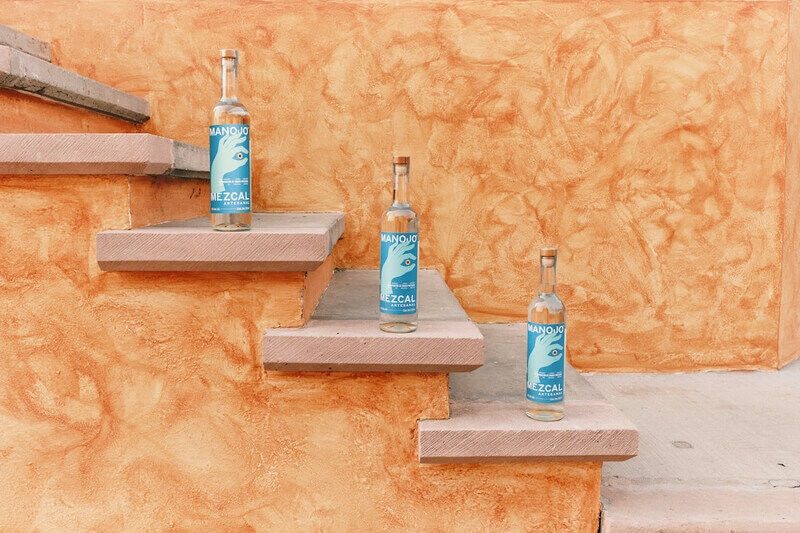
Celebrated Mexican chef Enrique Olvera assembled a team to bring Manojo Mezcal to the world, sharing the spirit of Oaxaca with a varietal that uses seven to nine-year-old Espadín agave grown on mineral-rich soil. As such, the easy-drinking mezcal is bright and fresh with a complex profile featuring notes of pear, green herbs and a crisp, smooth finish.
The rise of the mezcal category is in part fueled by its rich, smoky, and earthy flavors that create a unique experience that attracts adventurous drinkers seeking bold and distinctive tasting experiences. Manojo Mezcal's Espadín is meant to be enjoyed as Oaxacans do, mixed in cocktails or sipped with a slice of orange citrus and sal de gusano—a traditional Oaxacan spice made from sea salt, toasted and ground agave worms, and dried chiles.
Key Themes Behind This Trend
- Artisanal Spirits
- Manojo Mezcal's Espadín showcases the rising popularity of small-batch, handcrafted spirits that offer unique flavor profiles and cultural authenticity.
- Culinary-inspired Beverages
- The involvement of celebrated chefs in the creation of spirits like Manojo Mezcal indicates a growing trend of culinary professionals elevating beverage experiences.
- Organic and Sustainable Agriculture
- The use of Espadín agave grown on mineral-rich soil points to an increasing consumer preference for sustainably sourced and naturally grown ingredients.
Where This Applies
- Alcoholic Beverages
- The introduction of easy-drinking mezcals like Manojo Mezcal's Espadín is revitalizing traditional spirits and broadening the market for premium alcoholic beverages.
- Hospitality and Mixology
- Innovative spirits tailored for versatility in cocktails are becoming sought-after in the hospitality and mixology industry, providing mixologists with unique ingredients.
- Gourmet Food and Beverage
- The integration of traditional Oaxacan spices elevates mezcal into the gourmet food and beverage sector, offering consumers a sophisticated tasting experience.