The #MakeAChildCry campaign takes a reverse psychology approach to raising awareness of poor health care for children in lower-developing countries. The campaign created by DDB Paris stresses the importance of healthcare among youth. The main goal for the ad is to show people that a child crying while they receive a medicated needle is better than watching them become sick and possibly pass away.
The global #MakeAChildCry campaign uses this hashtag to generate awareness. The campaign is also promoted through visual posters and a short commercial.
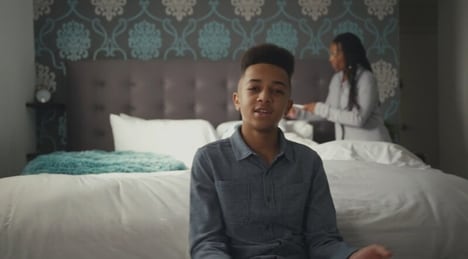
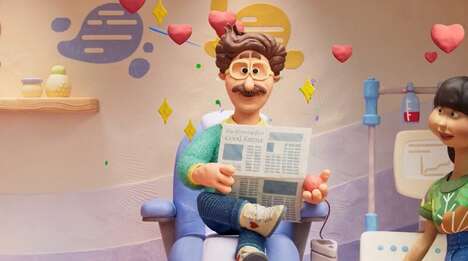
The clip begins with close-up camera angles on children's faces as they cry. Slowly the camera begins to draw back showing the audience a doctor's office. The crying children are accompanied by a nurse or doctor who is giving them a check-up. The tears slowly subside and the audience becomes aware that hearing a child cry for a few moments is better than not hearing them at all.
What's Driving This Trend
- Reverse Psychology Advertising
- Using reverse psychology in advertising campaigns can capture attention and raise awareness for important causes.
- Youth Healthcare Campaigns
- Promoting the importance of healthcare among youth can help improve access and quality of healthcare for children.
- Emotional Appeal in Advertising
- Emphasizing the emotional impact of certain situations can elicit a stronger response from viewers and drive desired actions.
Who This Affects Most
- Advertising and Marketing
- The advertising industry can explore the use of reverse psychology to create impactful campaigns that resonate with audiences.
- Healthcare
- The healthcare industry can leverage youth healthcare campaigns to improve healthcare access and outcomes for children.
- Film and Media
- Incorporating emotional appeal in film and media can create powerful storytelling that inspires action and raises awareness.