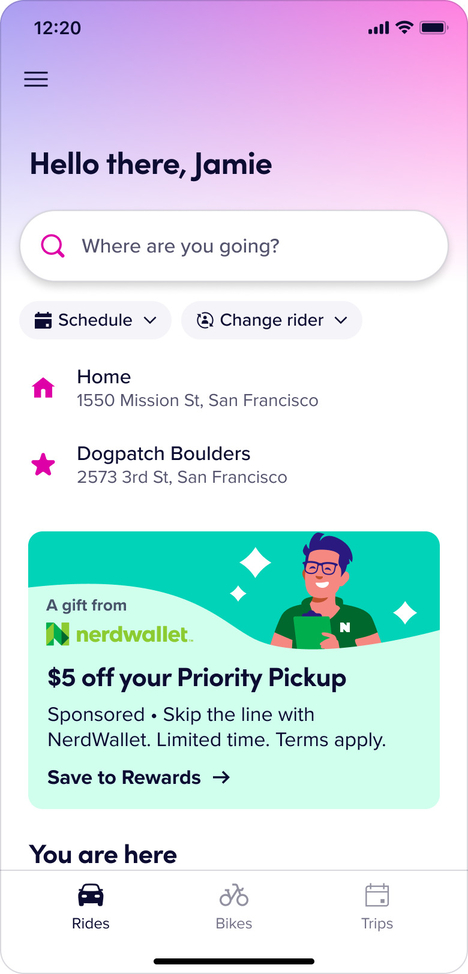
A new Lyft loyalty program will allow riders to accumulate points that can be turned in and exchanged for trip upgrades or access to more experienced drivers. The loyalty program will launch in December 2018, and while details are scant, Lyft has announced that the program will only be available to select users in select cities. The Lyft loyalty program will launch officially in 2019 to all riders and the ride-sharing company has vowed to continue tweaking the program throughout its life cycle.
This is the first public loyalty program for Lyft -- the ridesharing service does already let riders earn Delta SkyMiles and Bussiness Rewards. Points are easily gathered by riders as they'll earn points for every dollar they spend on the app. While Lyft has only announced two rewards to date, the company has expressed interest in expanding the rewards pool as they receive feedback from users.
What Makes This Trend Stand Out
- Rideshare Loyalty Programs
- The implementation of loyalty programs by rideshare companies will lead to increased user retention and engagement.
- Gamification in Ridesharing
- The incorporation of gamification elements such as point systems in ridesharing services will improve user experience and customer satisfaction.
- Personalized Rewards in Ridesharing
- Rideshare companies can leverage user data to offer personalized rewards, leading to greater customer loyalty and trust.
Sectors Adopting This
- Ridesharing
- Rideshare companies can use loyalty programs as a tool to differentiate themselves from competitors and retain users.
- Mobile App Development
- The development of loyalty programs for rideshare companies represents an opportunity for mobile app developers to create innovative solutions in order to increase user engagement.
- Data Analytics
- Rideshare companies can use data analytics to personalize rewards and improve customer loyalty, providing an opportunity for data analytics firms to provide valuable insights and consulting services.