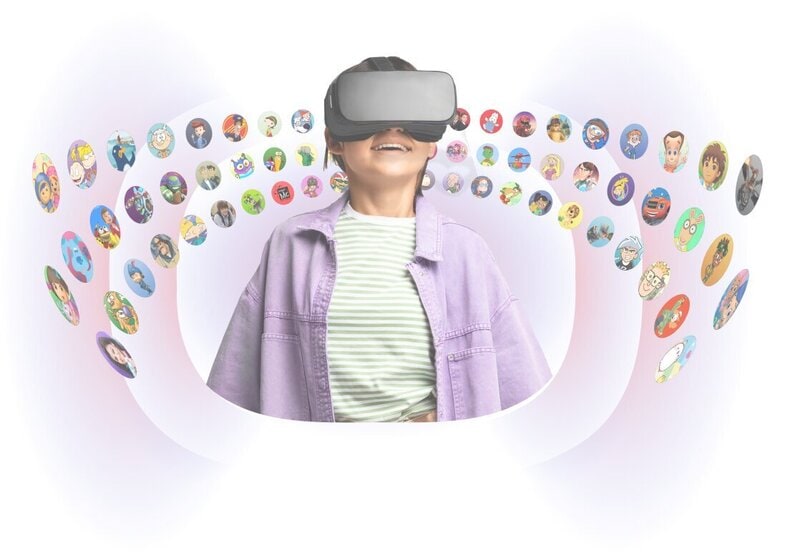
Amblyopia, more commonly known as lazy eye, is the leading cause of vision loss in children and affects approximately a million pediatric patients nationwide, and Luminopia offers a modern alternative to traditional amblyopia treatment. Unlike eye patching, which requires kids to cover their stronger eye, Luminopia's FDA-cleared therapy lets kids with amblyopia watch TV within a VR headset for one hour, six days a week. The digital health company recently announced a content licensing agreement with Spin Master Corp., which will expand the growing content library with beloved series like PAW Patrol, Unicorn Academy, Vida the Vet, and more.
Luminopia is prescribed at eye institutes, children's hospitals and private practices across the United States, encouraging kids' brains to combine input from both eyes.
What's Driving This Trend
- Pediatric VR Therapy
- Immersive headset-based treatments are reshaping pediatric care by making prescribed therapies more engaging, measurable, and suitable for at-home routines.
- Entertainment-driven Digital Health
- Licensed children’s content creates new value in medical adherence by turning routine treatment sessions into familiar media experiences.
- Prescription At-home Care
- Clinician-prescribed digital therapies expand treatment access beyond hospitals and practices while supporting consistent use in everyday environments.
Who This Affects Most
- Digital Therapeutics
- FDA-cleared software-based treatments are opening new commercial pathways for condition-specific care that blends clinical validation with consumer-friendly delivery.
- Pediatric Healthcare
- Child-focused medical services are gaining room for innovation through technologies that reduce discomfort and improve participation in long-term treatment plans.
- Children’s Entertainment
- Family media franchises are extending into health applications as trusted characters and stories become part of therapeutic engagement strategies.