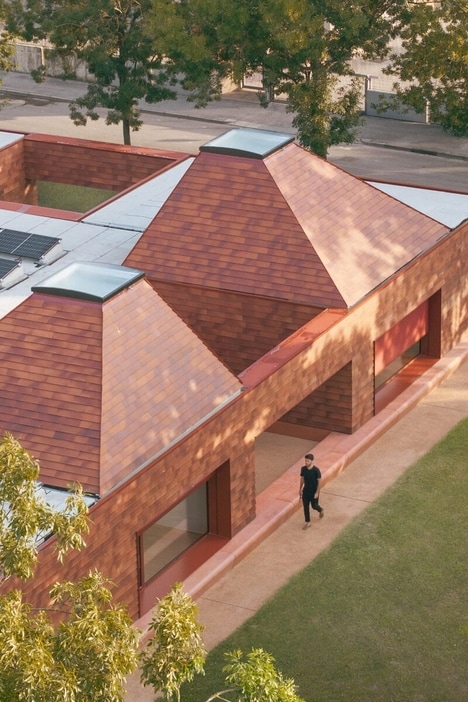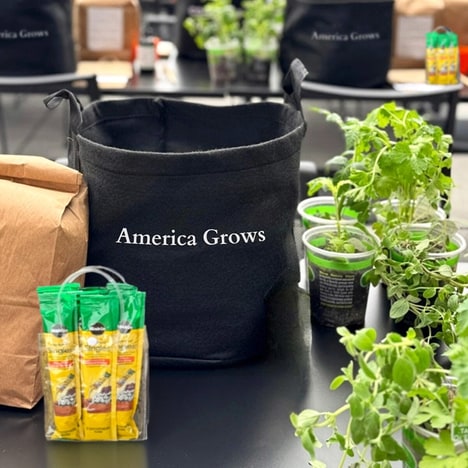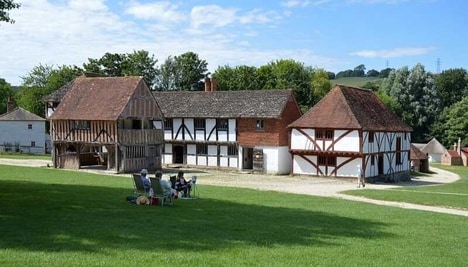
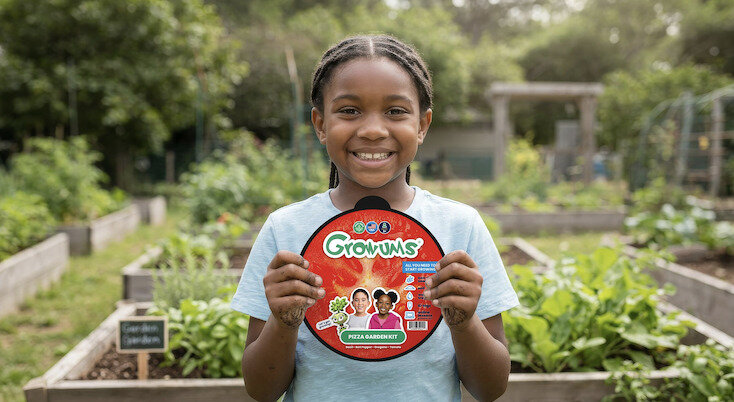
The Martinsburg Roundhouse, a National Historic Landmark in West Virginia, in partnership with For The Kids, by George Children's Museum, has launched a new STEM initiative that will distribute 500 hands-on garden kits to Berkeley County students. This activation is further supported by several other collaborating organizations, including Growums, Little Green Thumb Foundation, America The Beautiful Foundation's GROW program, and The Sunflower Project.
The goal of this hands-on garden venture is to connect youth with food education, healthy living, and environmental stewardship. This pilot program provides kid-friendly kits that make learning to garden simple and exciting. Organizers have estimated that each kit could generate approximately $180 dollars in home-grown food value.
Through this initiative, school groups visiting the Children's Museum and the Roundhouse will receive the materials and take them home to cultivate their own produce, thereby extending the educational mission beyond the museum walls and into the students' daily lives.
Image Credit: The Martinsburg Roundhouse x For tThe Kids
What's Driving This Trend
- Take-home Stem Kits
- Portable learning kits extend museum and classroom experiences into the home, creating room for scalable education models that blend science, nutrition, and family participation.
- Youth Food Literacy
- Early exposure to gardening and produce cultivation reframes food education as an interactive skill, opening possibilities for health-focused programs tied to practical household value.
- Community-backed Learning
- Cross-sector partnerships between museums, nonprofits, foundations, and schools reveal new models for distributing experiential education through shared local infrastructure.
Who This Affects Most
- Education
- Hands-on garden programming reflects a shift toward experiential STEM curricula that connect academic concepts with everyday life and measurable real-world outcomes.
- Museums
- Cultural institutions are expanding beyond exhibit-based engagement by sending educational tools home with visitors, positioning museums as catalysts for ongoing community learning.
- Agriculture
- Kid-friendly cultivation kits introduce agriculture to younger audiences through accessible formats, suggesting new pathways for consumer gardening, sustainability education, and local food awareness.