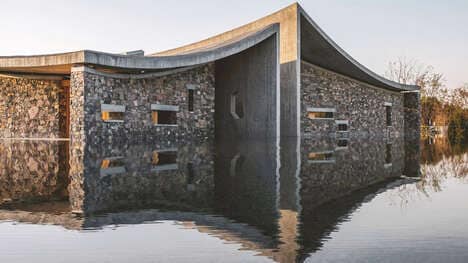
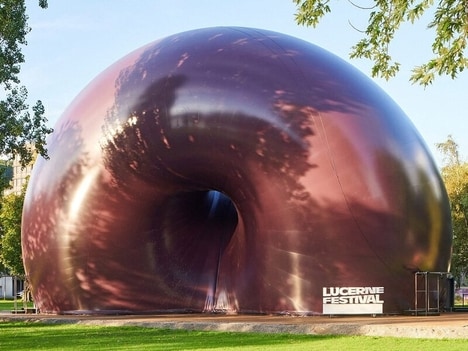
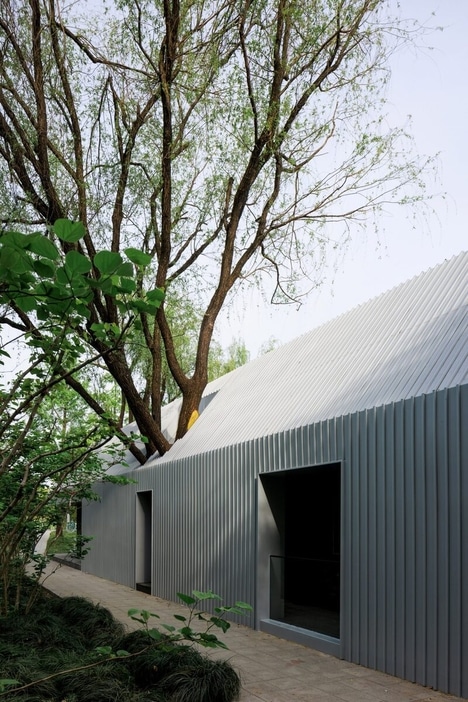
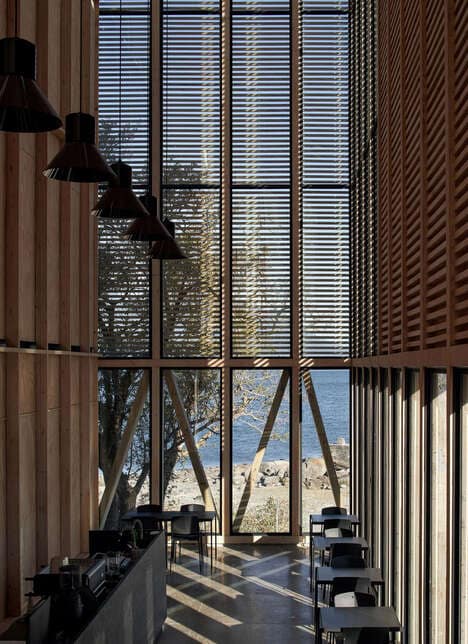
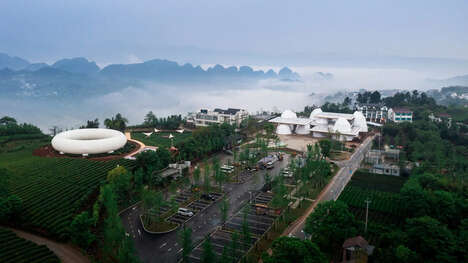
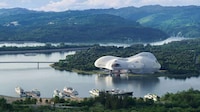
Chinese architecture studio AIR-CoLAB Studio works with engineer HDEC to create the Luhu Ring of Starlight amphitheater in Sichuan Province, China. It is a waterfront stage that boasts a design shaped like a lotus leaf at the structure's core. The theater is on an island and highlights a man-made lake system in the area. It was dubbed after the calm reflection of the white concrete buildings in the water during the nighttime.
AIR-CoLAB Studio's lead architect Lin Zaiguo explains the design, noting that "It was designed to be a pause point along the park's circulation, fostering interaction and contemplation while offering framed views, noise protection, and a seamless connection to nature." On the pedestrian bridge, a set of steps lead to the amphitheater integrated to the bank of the lake.
Image Credit: Arch-Exist
Key Themes Behind This Trend
- Nature-integrated Architecture
- Designs that incorporate natural elements and surroundings offer opportunities for creating immersive and tranquil experiences in public spaces.
- Waterfront Entertainment Venues
- Cultural and recreational spaces near water bodies provide unique venues that enhance the sensory experience for attendees through visual and acoustic elements.
- Biophilic Design Innovations
- The use of organic shapes and natural materials in architecture fosters a stronger connection to nature, which can enhance well-being and environmental harmony.
Where This Applies
- Architecture and Urban Planning
- The development of structures that harmoniously blend with natural landscapes signals a shift towards environmentally conscious architecture.
- Entertainment and Events Management
- Utilizing open-air, waterfront settings for events introduces a novel experience by merging natural beauty with artistic performances.
- Ecological Tourism
- Incorporating eco-friendly designs into tourist attractions can draw visitors seeking sustainable and nature-oriented travel experiences.