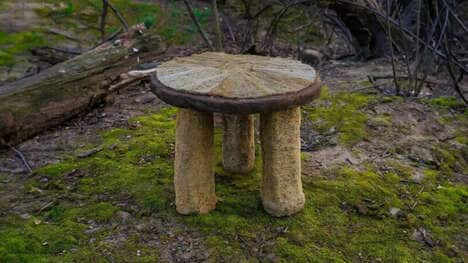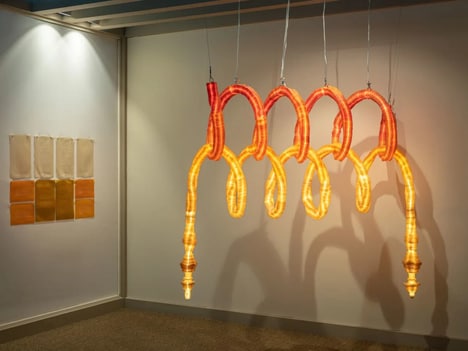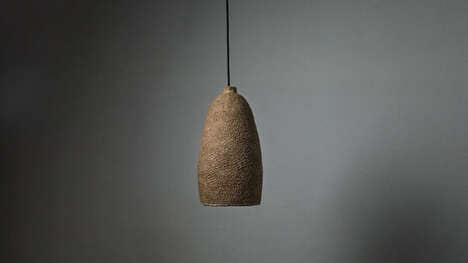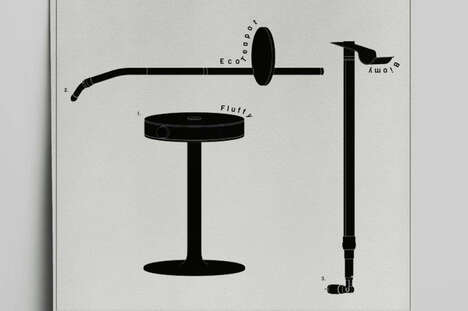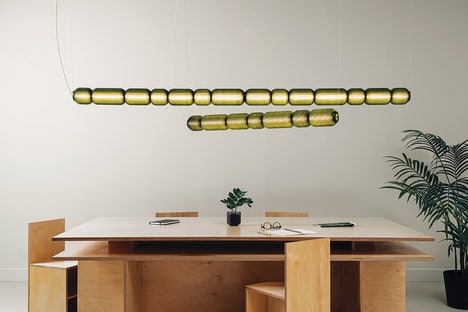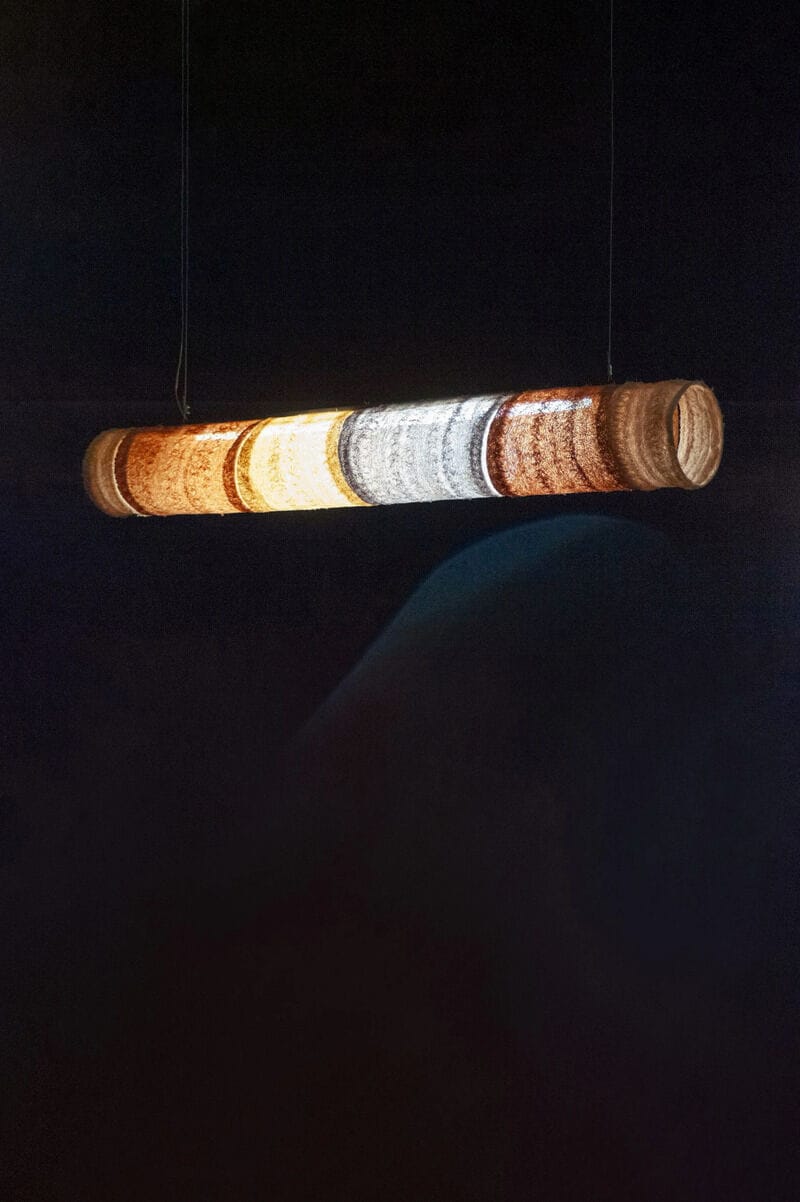
Paris-based Palestinian designer Samer Selbak created the Luffa collection, which is a range of lighting that is made from the luffa plant. The material is a sustainable alternative and it is also dyed using vegetables to continue its green efforts. The capsule comprises two pendent lights and a space divider which are made from naturally dyed luffe, steel, and cellulose paper.
The dyeing process is intricate and the material has natural beige tones already. It is dyed with red cabbage, onion skin, and avocado skin. The designer had the intention to create a "sub-aquatic mystical presence." Selbak shares, "Using the luffa as a material for a luminary object creates a deep interaction between light and shadow, colours and shapes, resembling the beauty of corals – a liminal state between plant and mineral, between a living creature and an object."
Image Credit: Samer Selbak
Key Themes Behind This Trend
- Bio-based Lighting Materials
- The use of bio-based materials like the luffa plant in lighting design promotes environmental sustainability and offers unique aesthetic qualities.
- Vegetable-dyed Home Decor
- Vegetable-based dyes for home decor items not only provide eco-friendly alternatives to synthetic dyes, but also introduce natural, earthy tones to interiors.
- Sub-aquatic Design Aesthetics
- Incorporating sub-aquatic motifs in home lighting design blurs the lines between art and nature, creating visually intriguing and holistic living spaces.
Where This Applies
- Sustainable Home Lighting
- The sustainable home lighting industry is innovating with plant-based materials, offering environmentally-friendly solutions without compromising on style.
- Eco-friendly Dyes
- Eco-friendly dyeing techniques using natural ingredients like vegetables are revolutionizing the textile and home decor industries by reducing chemical waste.
- Interior Design
- The interior design industry is increasingly integrating botanical and organic elements to create harmonious and sustainable living environments.