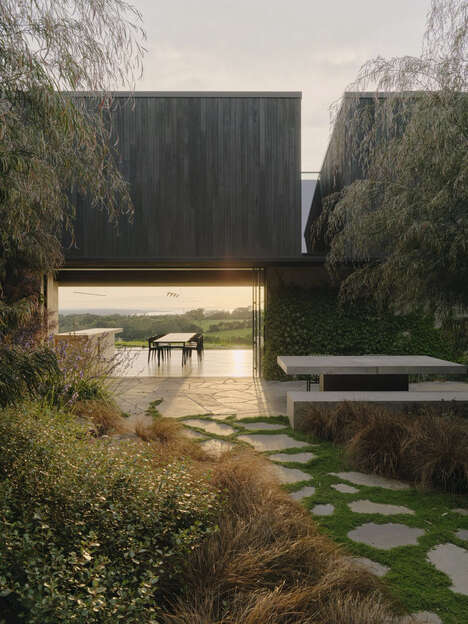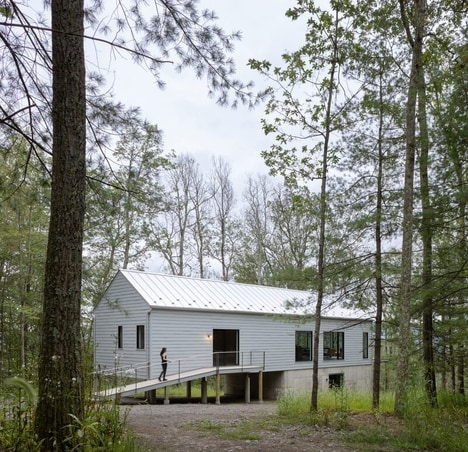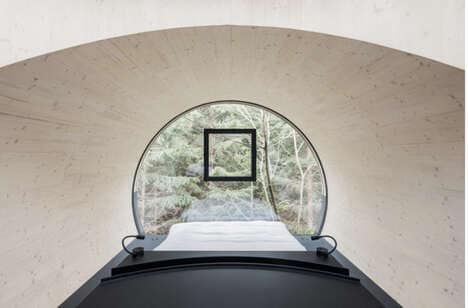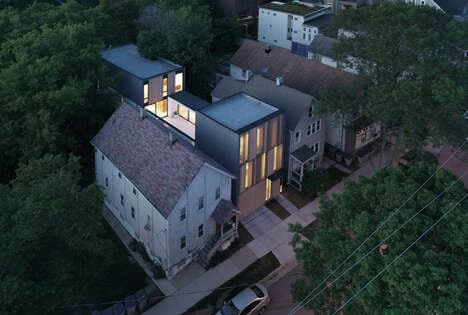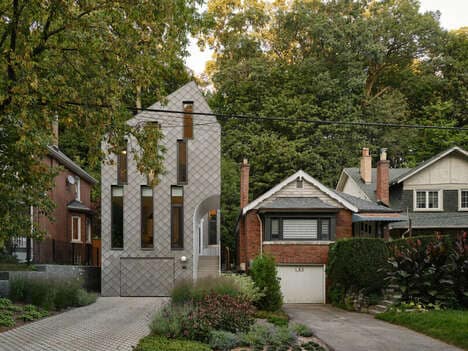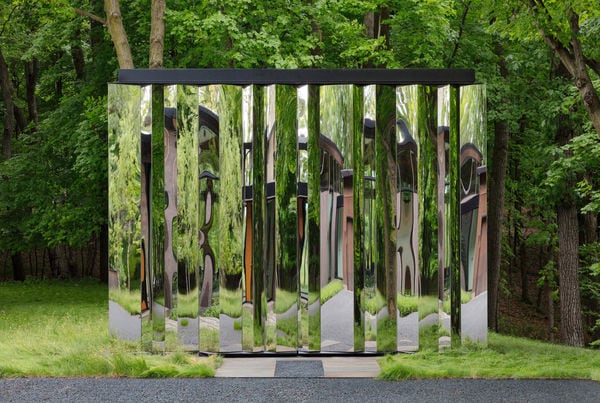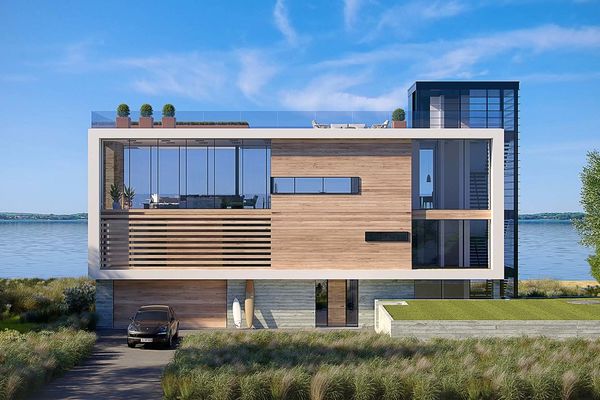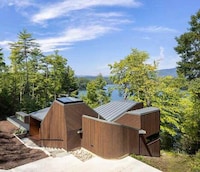
In the design of this low-lying house in Indianapolis, New York-based studio Deborah Berke Partners channeled its perception of modernism as it was understood during the 50s and 60s. Dubbed the 'North Penn House,' the building is structured as a familial residence. The architectural firm plays around with slender form, as well as "an overhanging roof and sliding glass doors."
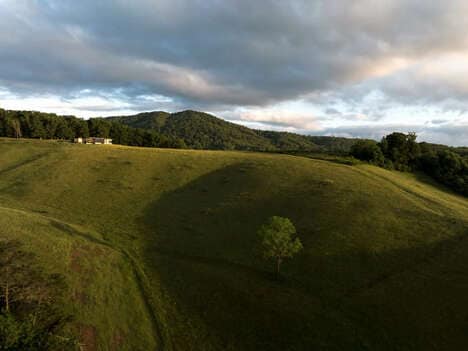
The low-lying house design directly plays into the surrounding landscape — "a secluded wooded setting at the top of a hill, which leads down at the back to a meadow." By creating an utterly minimalist, single-story structure, the architects at Deborah Berke Partners were able to seamlessly integrate their project without taking away from the naturalist site.
Photo Credits: Chris Cooper, Glint Studios and Kevin Miyazaki
What Makes This Trend Stand Out
- Minimalist Architecture
- The low-lying house design showcases the potential for minimalist architecture that seamlessly integrates with natural surroundings.
- Slender Form
- The slender form of the North Penn House presents an opportunity for architects to explore innovative and space-saving designs.
- Integration with Natural Landscape
- The integration of the house with the surrounding landscape demonstrates the potential for architecture to harmoniously blend with nature.
Sectors Adopting This
- Architecture
- Architects can explore the use of minimalist designs and slender forms to create innovative residential structures.
- Real Estate
- Real estate developers can capitalize on the trend of integrating homes with natural landscapes to create unique and desirable properties.
- Construction
- The construction industry can leverage the demand for low-lying and minimalist structures by developing innovative building techniques and materials.