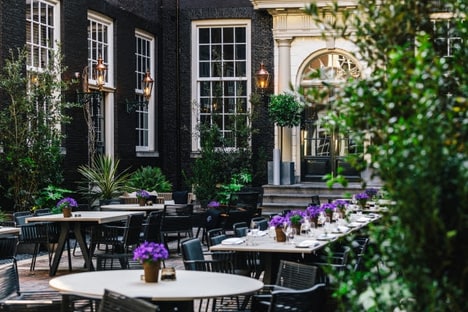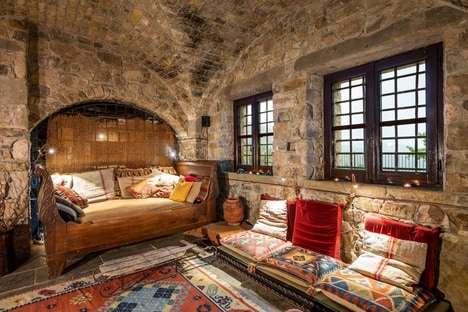
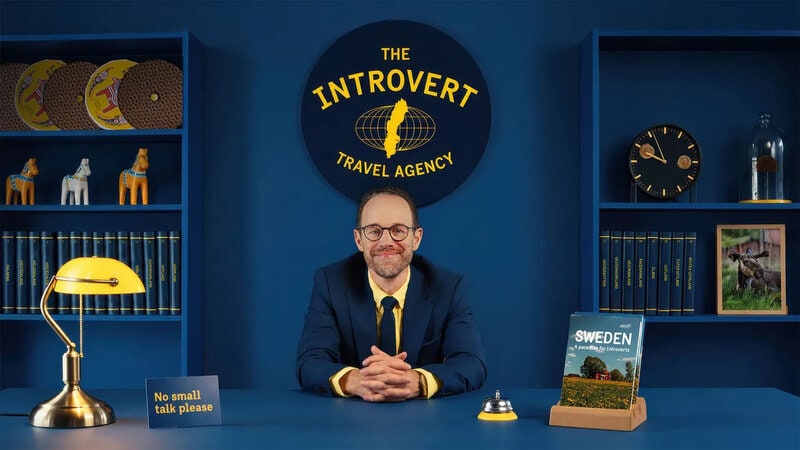
Visit Sweden is turning quiet, self-paced escapes into a booking concept with the 'Introvert Travel Agency,' which helps people plan a trip to Sweden around privacy and optional interaction. The initiative is designed for travelers who prefer time alone or smaller social settings over busy, noisy group travel.
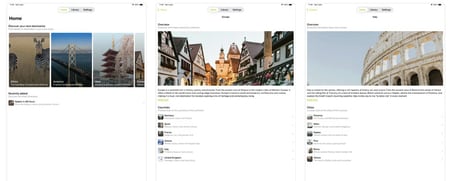
A short online quiz guides each booking by gauging comfort with conversation and personal space, so the plan can match someone's social battery before they arrive. It also recommends calmer itineraries, including nature-led outings like hiking, making the service feel more curated than a standard one-size-fits-all package.
For consumers, this means choosing a trip based on the type of energy they want to protect, not just on sights on a map. It turns solitude into a bookable travel preference, which could make quieter, more self-directed itineraries easier to find.
Image Credit: Visit Sweden AB
What Makes This Trend Stand Out
- Social-battery Booking
- Travel platforms can differentiate by using emotional-energy preferences as trip-planning inputs, creating more personalized alternatives to standard itinerary filters.
- Solitude-centered Tourism
- Quiet escapes are becoming a marketable travel category as consumers seek restorative experiences built around privacy, calm, and minimal social pressure.
- Adaptive Itinerary Design
- Personal comfort data enables tourism brands to package flexible experiences that shift between independent exploration and optional low-key interaction.
Sectors Adopting This
- Travel and Tourism
- Destination marketers can expand beyond attraction-led promotion by selling trips around mood, pace, and desired levels of social engagement.
- Hospitality
- Hotels and retreats have room to develop privacy-forward stays with quiet amenities, self-service options, and spaces designed for decompression.
- Wellness Technology
- Digital wellness tools can intersect with travel by translating social, emotional, and sensory preferences into tailored recommendations for restorative experiences.