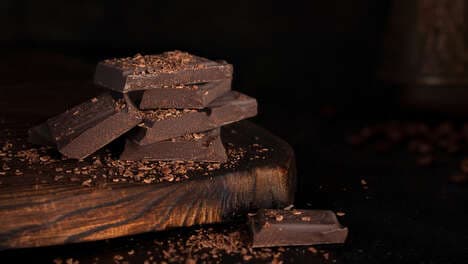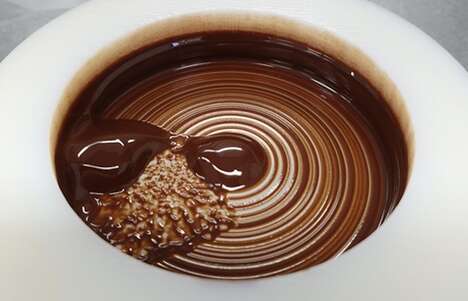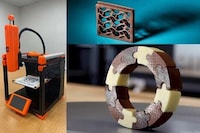

People want or need low-fat chocolates to enjoy a guilt-free eating experience, maintain a diet or accommodate certain dietary restrictions. Now, reduced-fat chocolate is being created in an innovative way thanks to 3D printing and it's ushering in a new future of functional foods.
A Rutgers scientist has developed a formulation for low-fat chocolate that can be printed by substituting cocoa butter with gum arabic-based water-in-oil emulsions. In these printed chocolates, varying levels of cocoa butter (25%, 50% and 75%) were swapped out to create chocolate with less fat.
This study successfully developed 3D-printed fat-reduced chocolate, and thanks to the capabilities of 3D printing, the chocolates have the potential to be created in all sorts of shapes and sizes.
What's Driving This Trend
- 3D Printing Functional Foods
- The use of 3D printing technology to create low-fat chocolates is revolutionizing the food industry by providing healthier options for consumers.
- Reduced-fat Chocolate Formulations
- The development of formulations for low-fat chocolate using alternative ingredients like gum arabic-based water-in-oil emulsions presents an opportunity for chocolate manufacturers to cater to health-conscious consumers.
- Customizable 3d-printed Chocolates
- The ability to 3D print chocolates in various shapes and sizes allows for personalized and unique chocolate creations, opening up possibilities for the gift and confectionery industries.
Who This Affects Most
- Food Manufacturing
- The food manufacturing industry can leverage 3D printing technology to produce healthier versions of popular products, like low-fat chocolates, and meet the growing demand for healthier food options.
- Alternative Ingredients
- The development of gum arabic-based water-in-oil emulsions as a substitute for cocoa butter in chocolate formulation presents a disruptive innovation opportunity for ingredient manufacturers in the food industry.
- Gift and Confectionery
- The gift and confectionery industry can capitalize on the ability to create customized 3D-printed chocolates, offering unique and personalized products to attract consumers looking for novel gift ideas.