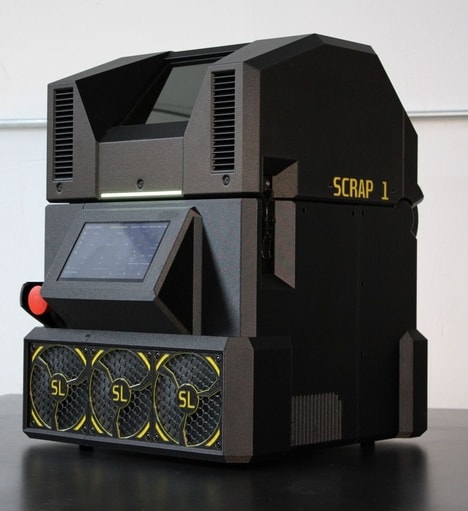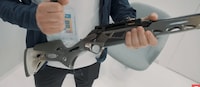
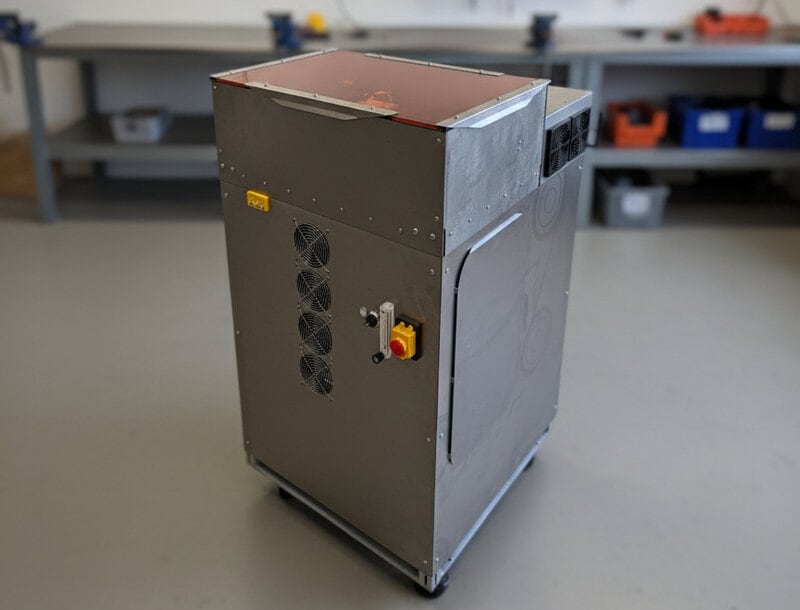
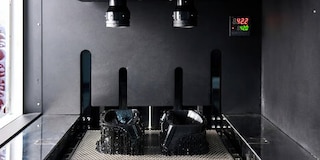
Metal Base introduced a low-cost laser powder bed fusion metal 3D printing system developed by engineer Tom Bakker, with the project aimed at making LPBF more accessible. Bakker, whose background includes LPBF, custom machine building and semiconductor equipment, has already placed six systems with beta testers.
The project has since expanded through Kickstarter, where Metal Base has sold 20 additional systems. Bakker is positioning the machine as a lower-cost alternative to conventional industrial LPBF equipment, with a target price below $10,000 and a focus on reducing the capital barrier associated with metal additive manufacturing.
For smaller manufacturers, designers and other users interested in metal printing, the project could make LPBF technology accessible to a broader audience. The early beta deployments and Kickstarter sales also show initial demand for more affordable metal additive manufacturing systems outside traditional industrial installations.
Image Credit: Metal Base
Part of the cluster
Metal Manufacturing
Industrial additive systems bring production closer to demand
Explore the cluster
What Makes This Trend Stand Out
- Affordable Metal Printing
- Lower-cost LPBF systems create openings for smaller manufacturers and design studios to experiment with metal additive manufacturing without traditional capital constraints.
- Crowdfunded Industrial Hardware
- Kickstarter-backed machinery signals a shift in how specialized production tools can validate demand and reach early adopters before conventional distribution.
- Desktop-scale Manufacturing
- Compact metal 3D printers broaden access to prototyping and low-volume production capabilities once limited to large industrial facilities.
Sectors Adopting This
- Additive Manufacturing
- Accessible LPBF equipment reshapes the competitive landscape by enabling new entrants to offer metal printing services at lower upfront costs.
- Small-scale Manufacturing
- Affordable metal printing systems give workshops and niche producers more flexibility to create custom parts, tooling and short-run components in-house.
- Product Design
- Expanded access to metal prototyping supports faster iteration cycles and more experimental material use among independent designers and engineering teams.