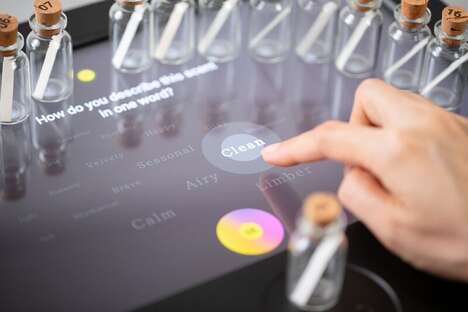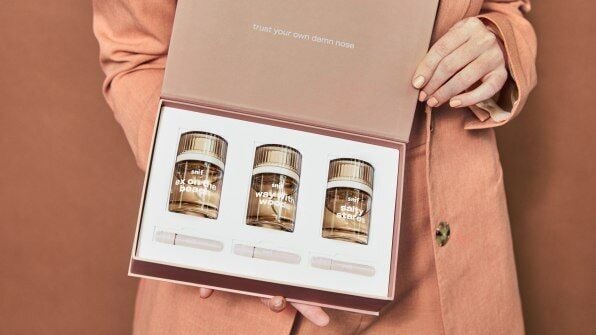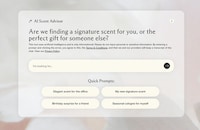

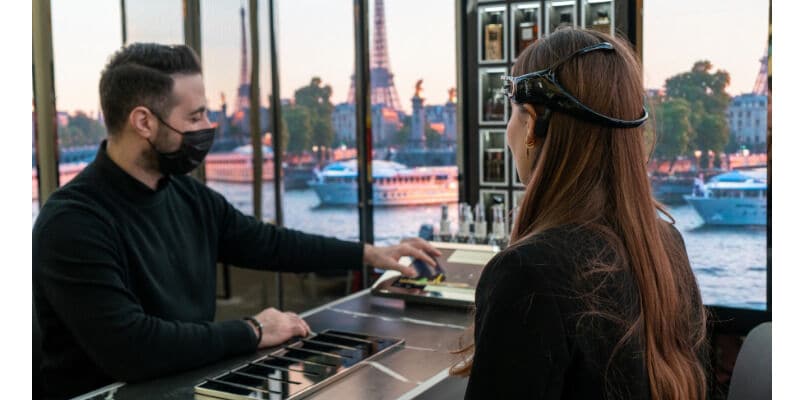
L'Oréal and Emotiv partnered up to create a neuro device that formulates personalized fragrances. The partnership unveiled a multi-sensor EEG-based headset that uses neuroscience to provide precise and customized fragrance advice.
These headsets will be available in-store. It can be difficult to find the right fragrance. The headsets use emotions to determine the best scent for each customer. While consumers experience proprietary scent families in-store, the headset accurately senses and monitors the wearer's behavior.
Tan Le, CEO of Emotiv, explains: "We’re simplifying the decision-making process by connecting emotion and scent through technology – in a way no one has done before. Rooted in science and powerful insights, this technological breakthrough will help consumers decode what fragrances are best suited to their needs."
Image Credit: L'Oréal and Emotiv
What Makes This Trend Stand Out
- Personalized Fragrance Neuro-devices
- The use of neuroscience to create personalized fragrance recommendations in real-time presents an opportunity for companies to elevate their customer experiences through customization.
- Multi-sensor Eeg-based Headsets
- Creating multi-sensor EEG-based headsets presents an opportunity to transform the retail industry and improve in-store experiences through personalized neuro recommendations.
- Emotion-based Decision Making
- Emotion-based decision-making technology can be applied to various industries other than fragrance, such as clothing or home decor, to provide customers with a more tailored experience.
Sectors Adopting This
- Beauty
- In-store neuro fragrance devices present an opportunity for beauty companies to leverage neuroscience technology to enhance their product offerings and create personalized experiences for their customers.
- Healthcare
- Multi-sensor EEG-based headsets can provide new opportunities to diagnose and treat neurological disorders better than traditional methods.
- Retail
- Emotion-based decision-making technology has the potential to revolutionize the in-store retail industry by providing a more personalized shopping experience.