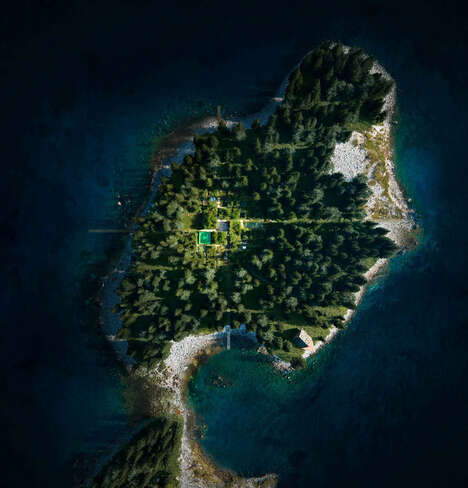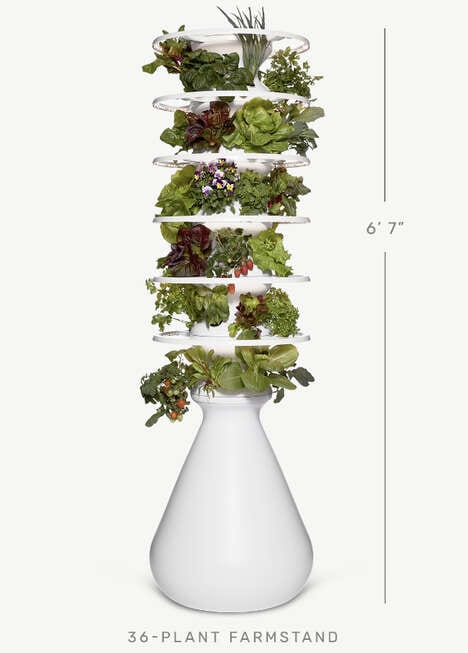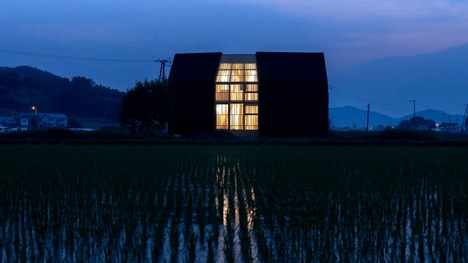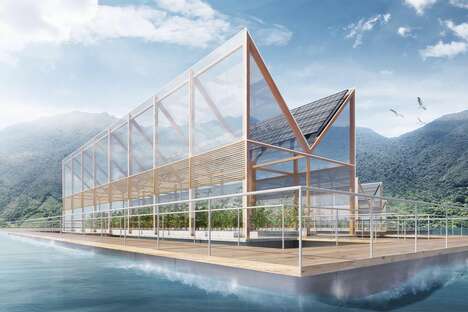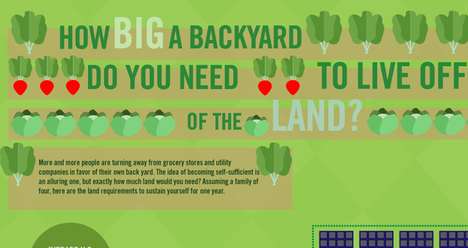
Making the move from city-dweller to farmer extraordinaire gets a little easier with the help of the ‘What You Need to Live off the Land’ chart by 1BOG.org. The illustrated chart looks at the logistics of creating a self-sustainable lifestyle for a family of four, using solar powered roof panels, farm animals and crops. The graph shows that while it probably wouldn’t be worth the cost to live that way for just a year, it is a great investment as a long-term commitment to going green and saving money.
The people of 1BOG.org found that it would take a family of four nearly two acres of land to live comfortably using only natural resources. The infographic is full of interesting tidbits, like the note that the average North American eats one and a half pounds of wheat every week.
The ‘What You Need to Live off the Land’ chart is extremely informative and fun to read. If you’re planning to make the switch from urban life to the country, this is a must-read.
Why This Trend Is Growing
- Self-sustainable Living
- Opportunity for businesses to develop products and services that support individuals and families in creating a self-sustainable lifestyle.
- Renewable Energy
- Potential for innovation in the solar power industry to provide efficient and affordable solar panels for self-sustainability.
- Urban Agriculture
- Emerging trend in urban farming where individuals can grow crops in limited spaces, enabling self-sustainability in urban areas.
Industries Being Reshaped
- Renewable Energy
- Renewable energy companies can capitalize on the growth of self-sustainable living by developing innovative solar panels and other renewable energy solutions.
- Agriculture
- There is an opportunity for agricultural businesses to offer resources, tools, and training for individuals transitioning to self-sustainable living through urban agriculture.
- Home Improvement
- Home improvement companies can provide products and services that support self-sustainable living, such as energy-efficient appliances, water conservation systems, and sustainable building materials.