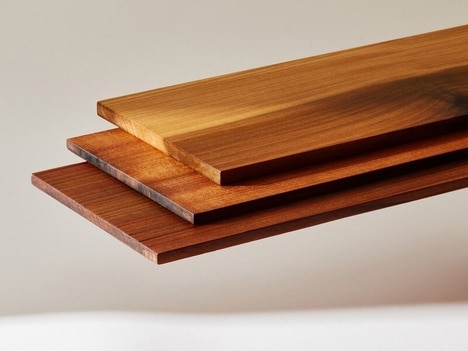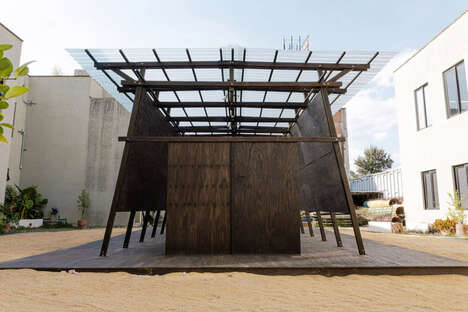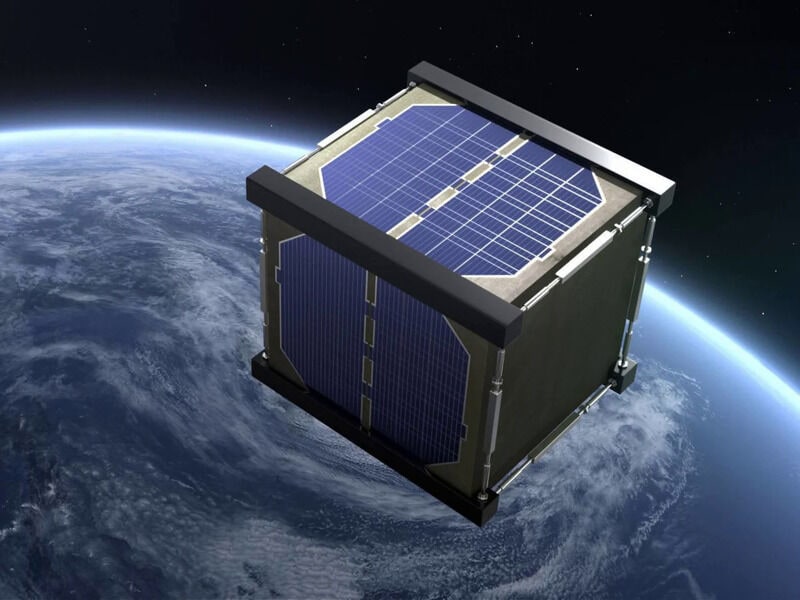
The team at Kyoto University and Sumitomo Forestry has designed the LingoSat satellite. It is notably made from Japanese hinoki or cypress wood to form the boxy structure to test the theory of replacing metal satellites with wooden versions.
The sides of the box are secured together without having to rely on screws or glue. Instead, it uses a traditional Japanese craft that is like dovetail joints. This process has a sustainable approach that minimizes the use of metal that could burn when it reaches the atmosphere. The LingoSat wooden structure launched into space last week and it will be heading towards the International Space Station. There, it will spend six months in orbit 400 km above Earth.
Image Credit: Sumitomo Forestry, Kyoto University
Why This Trend Is Growing
- Sustainable Spacecraft Materials
- The use of Japanese hinoki wood for satellite construction marks a shift towards more eco-friendly and sustainable materials in aerospace engineering.
- Traditional Craft in High-tech Applications
- Incorporating traditional Japanese dovetail joints in the assembly of satellites integrates ancient craftsmanship with modern technology, enhancing structural integrity without metal fasteners.
- Wood-based Space Technology
- Developing wooden satellites like LingoSat highlights the potential for wood-based materials to replace conventional metals in space technology, reducing environmental impact upon re-entry.
Industries Being Reshaped
- Aerospace Engineering
- Exploring wooden materials for satellite structures introduces a novel approach to aerospace engineering, presenting an alternative to metal alloys traditionally used.
- Sustainable Manufacturing
- The use of Japanese hinoki wood in space technology underscores a growing trend in the sustainable manufacturing industry to utilize renewable materials.
- Craftsmanship and Design
- Integrating traditional craftsmanship techniques in high-tech satellite construction fosters innovation within the craftsmanship and design industries, marrying heritage and cutting-edge technology.