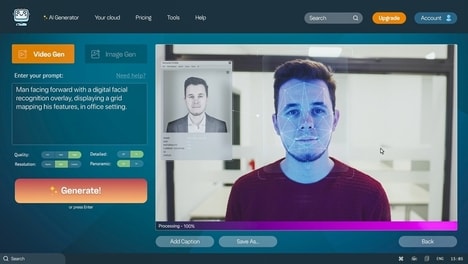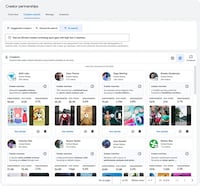
YouTube expanded its likeness detection technology to the entertainment industry, offering agencies and represented celebrities a way to flag AI-generated deepfakes. The system, modeled on Content ID, scans uploads for simulated faces and links matches to enrolled individuals, featuring options to request removals or pursue copyright claims.
The rollout followed a pilot that included creators, politicians and journalists and arrived with input from major agencies such as CAA, UTA and WME. The feature works without requiring a channel, detects visual matches of enrolled faces and will later add audio support for voice likenesses.
For talent and reps, the tool streamlines discovery and takedown of unauthorized AI re-creations, addressing scams and identity misuse while preserving permitted satire under YouTube policy. The move signals platforms increasingly deploying automated defenses as deepfakes proliferate in media.
Image Credit: KOTOIMAGES / Shutterstock
Key Themes Behind This Trend
- Platform Likeness Registries
- Creates centralized enrollment systems that could standardize identity signals and enable cross-platform verification services for public figures.
- Automated Deepfake Detection
- Introduces scalable content-scanning architectures that can shift trust models and reduce reliance on manual moderation workflows in media pipelines.
- Voice Likeness Indexing
- Signals an emerging metadata layer for vocal identity that may underpin provenance tracking and monetizable voice rights markets.
Where This Applies
- Entertainment Agencies
- Faces potential reinvention of talent management economics as likeness assets become securitized and enforceable across digital channels.
- Legal Services
- Stands to expand litigable categories and drive demand for specialized IP and personality-rights practices centered on AI-generated content.
- Advertising and Brand Safety
- May reshape brand protection strategies by embedding automated authenticity checks into campaign delivery and verification stacks.