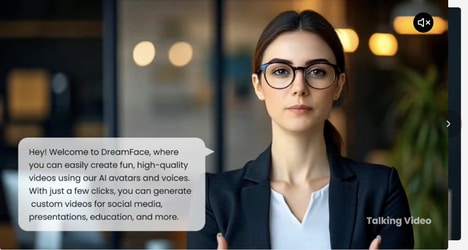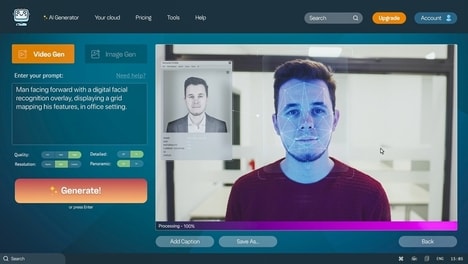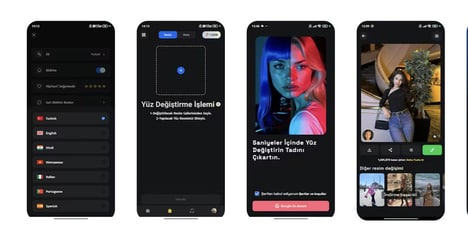
YouTube introduced a new creator-facing feature that lets users generate deepfake avatars of themselves, featuring AI-driven face mapping and voice alignment designed to streamline avatar-based videos. The tool was unveiled by YouTube as part of a push to add more generative AI capabilities to its Creator Studio workflow.
The feature creates a synthetic likeness from user-supplied footage and audio, with controls for expression, lip sync and background substitution; YouTube said it will include safety labels and usage guidelines. Early access details, platform availability and content-moderation integrations were outlined in the announcement.
For creators, the tool speeds production of persona-driven content and lowers barriers to character-based formats while raising new considerations around consent and authenticity. By packaging deepfake tech into Creator Studio, YouTube is responding to a broader trend of mainstream platforms offering generative-AI creative tools.
Image Credit: SkillUp / Shutterstock.com
What Makes This Trend Stand Out
- Creator-facing Deepfake Tools
- Mainstream platforms offering easy-to-use deepfake avatar creators could reshape content formats by enabling high-volume persona-driven productions with lower marginal costs.
- Platform-native Generative AI
- Embedding generative AI directly into creator workflows is beginning to shift competitive advantage toward platforms that control production, distribution, and monetization pipelines.
- Consent-and-authenticity Controls
- Rising emphasis on safety labels, usage guidelines and moderation integrations signals new markets for provenance, watermarking and verification technologies that address trust gaps.
Sectors Adopting This
- Digital Media and Advertising
- Advertisers and publishers could leverage synthetic avatars to scale personalized ad creatives and influencer-like endorsements while altering measurement and brand-safety practices.
- Film and Entertainment Production
- Lowered production barriers from avatar-driven tools hint at novel micro-budget content models and virtual talent ecosystems that challenge traditional casting and VFX pipelines.
- Identity Verification and Security
- The proliferation of convincing synthetic likenesses is creating demand for robust verification solutions that can distinguish authentic human identity from AI-generated personas.