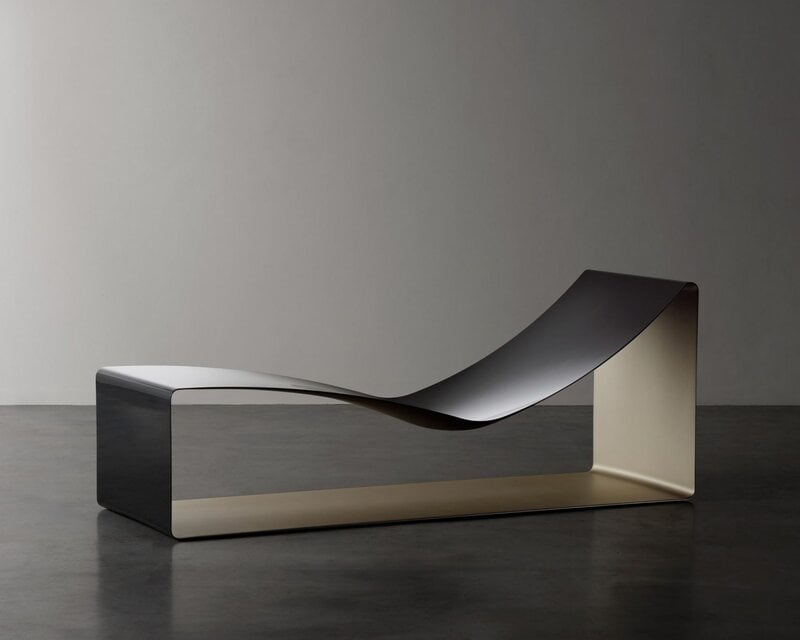
Terence Woodgate’s latest furniture collection is dubbed "Lightness of Form," which turns carbon fiber into both structure and aesthetic. Working in collaboration with engineer John Barnard, Woodgate applies the material not as a finish but as the very framework of tables, seating, and storage. The result is a series that conveys strength through slender lines, where surfaces appear weightless yet retain durability. By placing carbon fiber at the core, the collection challenges expectations of what domestic furniture can achieve.
Within this approach, joints are minimized and curves emphasize load-bearing capability, creating objects that appear seamless and highly precise. The dark, taut surfaces highlight the engineered quality of carbon fiber while drawing focus to proportion and silhouette. Lightness of Form positions the collection between design and architecture, revealing how advanced materials can recast familiar categories into sculptural experiences. It demonstrates how innovation and restraint can coexist to reshape everyday furnishings.
Image Credit: Tom Carter
Why This Trend Is Growing
- Carbon-fiber-based Furniture
- The use of carbon fiber as both a structural and aesthetic element in furniture presents opportunities for creating ultra-light yet durable designs.
- Seamless Design Integration
- Minimizing joints and emphasizing curves in furniture construction provides a sleek, cohesive appearance that merges functional engineering with artistic design.
- Architectural-inspired Furnishings
- Following architectural principles, furniture with sculptural qualities transforms conventional spaces into environments where form and function are equally prioritized.
Industries Being Reshaped
- Furniture Manufacturing
- The integration of advanced materials like carbon fiber into furniture designs introduces possibilities for lighter, more sustainable production methods.
- Interior Design
- Innovative furniture pieces that blend engineering and design offer interior designers novel tools to redefine space aesthetics.
- Materials Engineering
- The collaboration between designers and engineers to apply cutting-edge materials like carbon fiber into consumer products marks a convergence between science and design innovation.