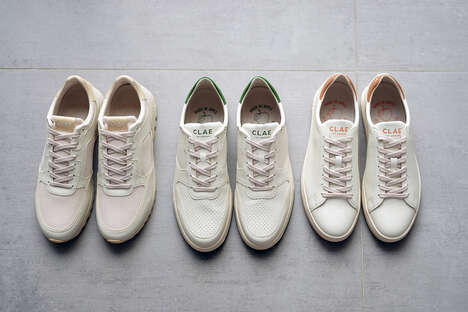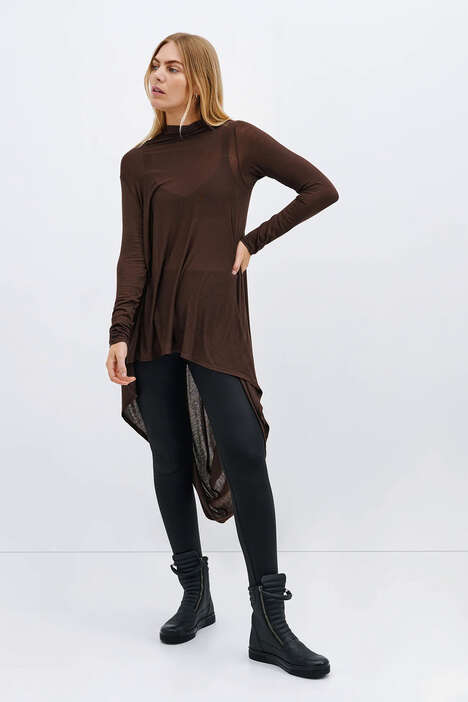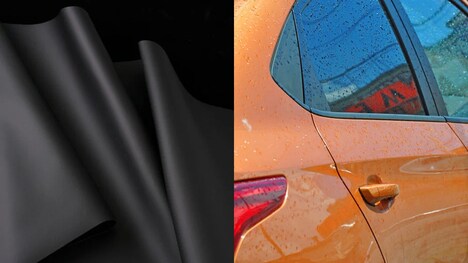


The Leap leather alternative from Beyond Leather makes the most of leftover materials from the process of making apple juice and cider, including apple cores and skins. These by-products of the beverage-making process are combine with natural rubber to create a plant-based leather alternative. This leather substitute is applied to a textile backing made of cotton and wood fibre, then it is finished off with a protective coating. Thanks to this three-layer structure, the product can be disassembled at the end of its usable life.
Powered by post-industrial food waste, Leap is one of many leather alternatives that helps to reduce reliance on both animal- and plastic-derived materials. These materials are being adopted by many brands creating fashion, accessories and more.
What's Driving This Trend
- Plant-based Leather Alternatives
- Opportunities for companies to create more eco-friendly and sustainable leather alternatives from food waste, such as the Leap alternative from Beyond Leather
- Circular Economy Fashion
- Potential for fashion companies to embrace the three-layer structure of the Leap alternative, allowing for disassembly and reuse at end-of-life
- Bio-based Materials
- Innovation opportunities in the use of food waste and natural rubber to create bio-based materials for a variety of industries, including fashion and accessories
Who This Affects Most
- Fashion
- Opportunities to create more sustainable and eco-friendly leather alternatives, incorporating circular economy principles and bio-based materials, such as the Leap alternative from Beyond Leather
- Food and Beverage
- Progressive waste management opportunities in the reuse of by-products from food and beverage production such as apple cores and skins in the creation of new materials
- Textile
- Applications for the three-layer structure of the Leap alternative in the textile industry for the creation of new eco-friendly and disassemblable textiles