
Lallemand Hevani has been debuted by the global biotech brand as a natural vanillin achieved through precision fermentation that offers a sustainable alternative to existing solutions on the market.
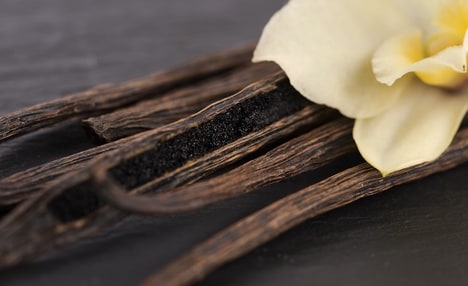
The product is achieved using precision fermentation from Evolva and offers a high-purity alternative to synthetic vanillin as well as vanilla beans. The flavoring is thus clean, less resource-intensive and more insulated from market volatility when compared to the traditional vanilla bean. The flavoring starts off with renewable feedstock placed into a climate-independent environment, which thus achieves a 98% purity level with consistent quality and a subsequent stable supply chain.
President Lars Asferg spoke on the Lallemand Hevani saying, "Evolva’s deep know-how in precision fermentation and R&D capabilities present an ideal platform from which to expand our product offering. We are excited to bring this yeast-based technology to our customers, ensuring consistent quality and scalability.”
Why This Trend Is Growing
- Precision Fermentation Flavoring
- Precision fermentation is producing yeast-derived vanillin at commercial scale with consistent 98% purity that can undercut synthetic and crop-based vanilla sources.
- Climate-independent Ingredient Production
- By moving production into controlled bioprocesses, flavor supply becomes insulated from weather-driven crop volatility and geographic constraints.
- High-purity Bioflavor Consistency
- Consistently high-purity bioflavors present opportunities to standardize formulation performance and reduce batch-to-batch variability in finished goods.
Industries Being Reshaped
- Food and Beverage Manufacturing
- Manufacturers stand to benefit from predictable, scalable flavor inputs that simplify recipe formulation and cost forecasting.
- Flavor and Fragrance Supply
- Flavor houses could integrate fermentation-derived vanillin into portfolios to offer cleaner-label, sustainably sourced alternatives for clients.
- Agricultural Commodities Trading
- Traditional vanilla bean markets may face pricing and demand shifts as climate-independent substitutes change supply dynamics and hedging strategies.