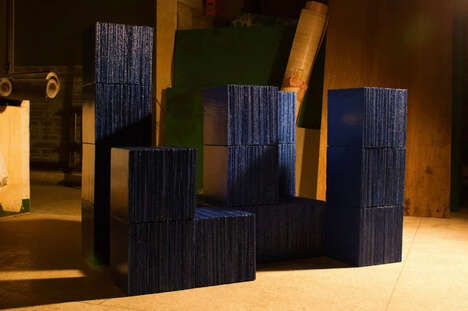
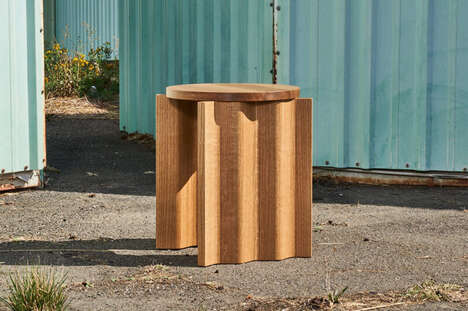
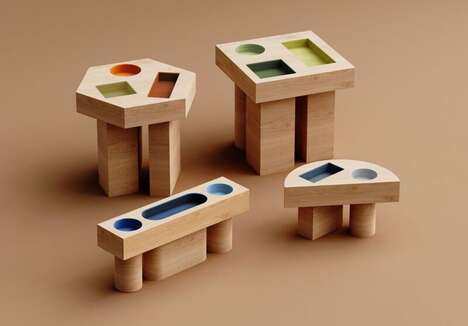
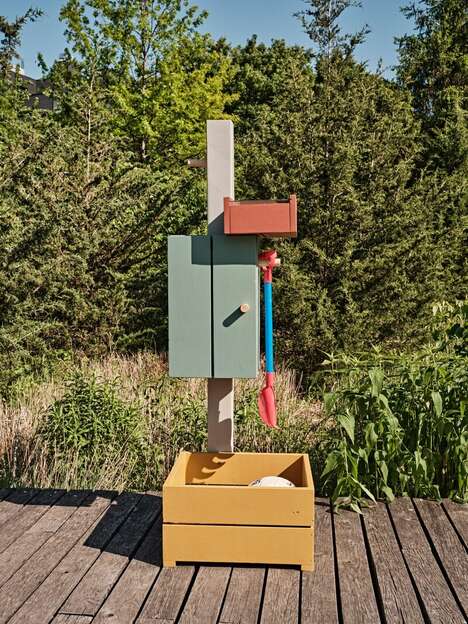
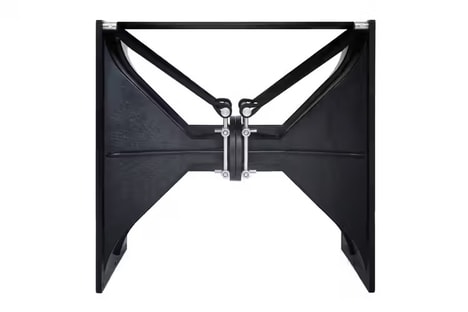
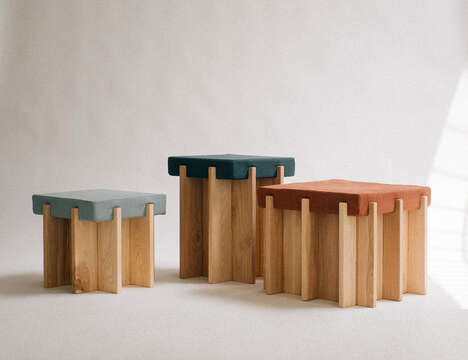
Chicho Cheon is a contemporary Korean designer who seeks to understand the “one-dimensional difference between those with homes and those without.” The creative recently launched a project called ‘Criteria.’
The social issue-inspired design endeavor sees pieces of furniture that are constructed with “corrugated cardboard, cement, and lacquer.” Through this, as well as through the color, shape, and function, the Korean designer vouches for the issue and communicates his inspiration which is defined as “the homeless who reside inside boxes at Seoul Station.” Through his awareness-raising design project, Chicho Cheon is looking to determine a “new standard.”
The pieces in ‘Criteria’ possess an interesting form, are colorful and have a wavy silhouette.
Image Credit: Design Milk, Chicho Cheon
What's Driving This Trend
- Social Issue Design
- Developing design projects that address social issues can disrupt traditional design approaches and create meaningful impact.
- Sustainable Materials
- Exploring alternative materials like corrugated cardboard and cement can disrupt the conventional use of materials and promote sustainability in design.
- Awareness-driven Design
- Using design as a medium to raise awareness about social issues can disrupt traditional communication methods and create a visual impact.
Who This Affects Most
- Furniture Design
- Incorporating social issue designs into furniture can disrupt traditional furniture design practices and create products with a meaningful purpose.
- Interior Design
- Integrating social issue designs into interior spaces can disrupt conventional design aesthetics and create spaces that evoke a sense of social consciousness.
- Art and Design Education
- Teaching social issue design projects in art and design education can disrupt traditional teaching methods and inspire students to use their skills for social good.