Knifewear — the Canadian retailer specializing in Japanese kitchen knives with physical locations across Toronto, Ottawa, Calgary, Edmonton, and Vancouver — offers a three-step knife selection guide to help consumers choose the appropriate blade based on shape, maintenance requirements, and aesthetic preference.
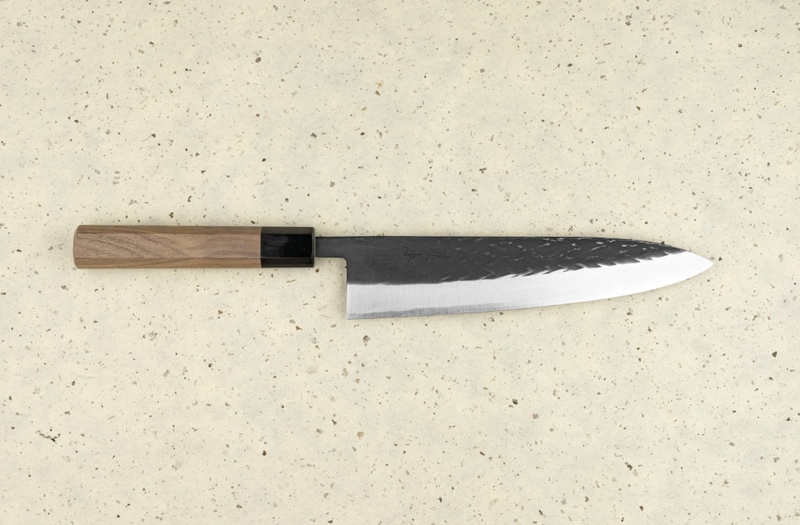
Knifewear recommends that individuals should start with the shape. A gyuto (chef’s knife) is ideal for all-purpose use, while a nakiri suits vegetable-focused tasks, a petty knife is ideal for smaller precision work, and a santoku is a versatile multitasker. The second step addresses maintenance and categorizes knives into low-maintenance stainless steel, moderate-maintenance semi-stainless or stainless-clad carbon steel, and high-maintenance carbon steel that requires immediate drying to prevent rust. The third step encourages buyers to consider visual appeal, noting that Japanese knives often feature hammered, pear-skin, or other textured finishes and handcrafted handles that make them functional art objects.
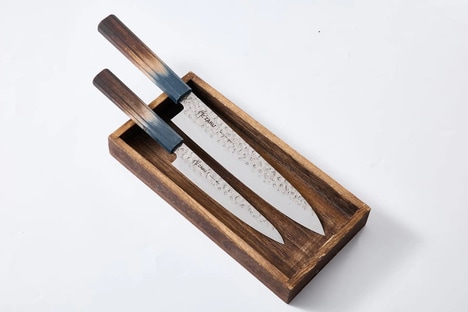
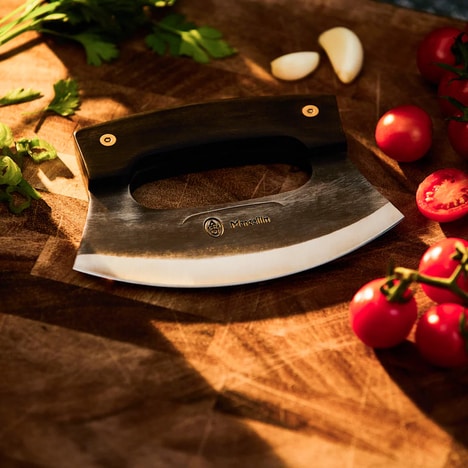
As part of its three-step knife selection guide, Knifewear also highlights specific models from its collection — theFujimoto Hammer Tone SLD Gyuto, the Masashi Kokuen Kiritsuke Petty, the ICHIGO SLD Migaki Nakiri, and the Haruyuki Nishiki Santoku.
Image Credit: Knifewear
What's Driving This Trend
- Guided Selection Experiences
- The three-step decision framework highlights a trend where retailers present structured guidance, creating scope for recommendation systems that match shopper intent to specific SKUs and narratives.
- Maintenance-based Product Segmentation
- Categorizing goods by upkeep requirements underscores a move toward lifecycle-aware merchandising that could enable differentiated warranties, care services, and resale pathways.
- Product-as-design-object
- Emphasizing finishes, textures, and handcrafted handles signals consumer interest in utilitarian items as aesthetic statements, opening room for premium personalization and limited-edition collaborations.
Who This Affects Most
- Specialty Retail
- Boutique retailers that curate expert-driven selection tools stand to redefine customer trust and conversion through domain-specific content and in-store experience curation.
- Cutlery and Small Goods Manufacturing
- Manufacturers focusing on material science and finish options can differentiate via modular designs and maintenance profiles that align with diverse user skill levels and lifestyles.
- Culinary Education and Hospitality
- Institutions that integrate product literacy into training programs could shift purchasing behaviors by framing tools as extensions of technique and professional identity.